

Can a Belt Sorting Table be used for sorting electronic components?
Dec 18, 2025
In the dynamic landscape of electronic component manufacturing and processing, the efficient sorting of these tiny yet crucial parts is a task of paramount importance. As a supplier of Belt Sorting Table, I often encounter the question: "Can a Belt Sorting Table be used for sorting electronic components?" In this blog post, I will delve into this query, exploring the capabilities, advantages, and considerations of using a Belt Sorting Table in the context of electronic component sorting.
Understanding Electronic Component Sorting
Electronic components come in a vast array of shapes, sizes, and materials. From resistors and capacitors to integrated circuits and connectors, each type of component has its unique characteristics and sorting requirements. The sorting process typically involves separating components based on factors such as size, shape, color, electrical properties, and quality. Accurate sorting is essential to ensure that only high - quality components are used in the final assembly, reducing the risk of product failures and improving overall manufacturing efficiency.
The Basics of a Belt Sorting Table
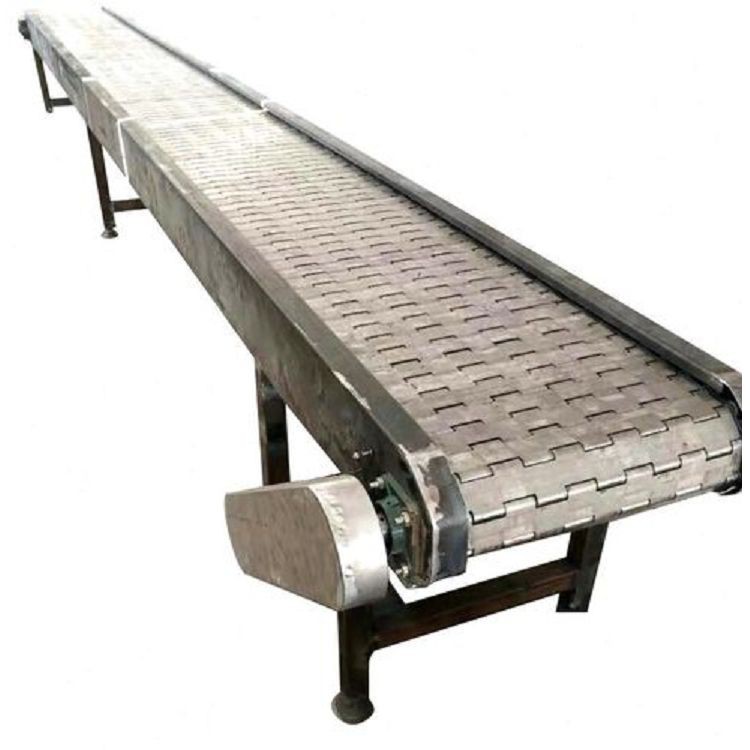
A Belt Sorting Table is a piece of equipment that consists of a conveyor belt system, sensors, and sorting mechanisms. The conveyor belt transports the items to be sorted along a predefined path. Sensors, such as cameras, lasers, or electromagnetic sensors, are used to detect the characteristics of the components. Based on the data collected by the sensors, the sorting mechanism diverts the components into different bins or chutes according to the sorting criteria.
Advantages of Using a Belt Sorting Table for Electronic Component Sorting
1. High - Speed Sorting
One of the primary advantages of a Belt Sorting Table is its ability to sort components at high speeds. The continuous movement of the conveyor belt allows for a large number of components to be processed in a relatively short period. This is particularly beneficial in high - volume electronic component manufacturing, where time is of the essence. For example, in a production line that manufactures millions of resistors per day, a Belt Sorting Table can quickly separate the resistors based on their resistance values, ensuring that only components within the specified tolerance range are used.
2. Precision Sorting
Modern Belt Sorting Tables are equipped with advanced sensors and sorting algorithms that enable precise sorting of electronic components. Cameras can capture detailed images of the components, allowing for accurate identification of their shape, size, and markings. Laser sensors can measure the dimensions of the components with high precision, while electromagnetic sensors can detect the electrical properties of the components. This precision sorting helps to ensure that only components that meet the strict quality standards are used in the final product.
3. Flexibility
Belt Sorting Tables are highly flexible and can be easily customized to meet the specific sorting requirements of different electronic components. The sorting criteria can be easily adjusted through the control system, allowing for quick changes in the sorting process. For example, if a manufacturer needs to sort a new type of capacitor, the Belt Sorting Table can be reconfigured to detect the specific capacitance value and physical characteristics of the capacitor. Additionally, the conveyor belt speed, sensor settings, and sorting mechanism can be optimized for different component sizes and shapes.

4. Integration with Other Equipment
Belt Sorting Tables can be easily integrated with other equipment in the electronic component manufacturing process, such as Packing Machine. After the components are sorted, they can be directly transferred to the packing machine for packaging. This seamless integration helps to streamline the manufacturing process, reducing manual handling and improving overall efficiency.
Considerations When Using a Belt Sorting Table for Electronic Component Sorting
1. Component Fragility
Electronic components are often fragile and can be easily damaged during the sorting process. The design of the Belt Sorting Table must take into account the fragility of the components to minimize the risk of damage. For example, the conveyor belt should have a smooth surface to prevent scratching the components, and the sorting mechanism should be gentle enough not to cause any mechanical stress on the components.
2. Static Electricity
Static electricity can be a significant problem in electronic component sorting. Static charges can attract dust and debris, which can contaminate the components and affect their performance. Additionally, static discharges can damage sensitive electronic components. To mitigate the effects of static electricity, the Belt Sorting Table should be equipped with anti - static devices, such as ionizers or conductive materials.
3. Sensor Calibration
Accurate sensor calibration is crucial for the proper functioning of the Belt Sorting Table. The sensors need to be calibrated regularly to ensure that they are providing accurate data about the components. Incorrect sensor calibration can lead to mis - sorting of the components, resulting in product quality issues.
4. Maintenance
Like any other piece of equipment, a Belt Sorting Table requires regular maintenance to ensure its reliable operation. The conveyor belt needs to be cleaned and inspected for wear and tear, and the sensors and sorting mechanisms need to be checked for proper functioning. Regular maintenance helps to prevent breakdowns and extends the lifespan of the equipment.
Comparison with Other Sorting Methods
1. Manual Sorting
Manual sorting of electronic components is a labor - intensive and time - consuming process. It is also prone to human error, which can lead to mis - sorting of the components. In contrast, a Belt Sorting Table can sort components at a much higher speed and with greater accuracy, reducing the need for manual labor and improving the overall quality of the sorting process.
2. Chain Plate Sorting Table
Chain Plate Sorting Tables are another type of sorting equipment commonly used in industrial applications. While Chain Plate Sorting Tables are suitable for sorting larger and heavier components, Belt Sorting Tables are more suitable for sorting small and delicate electronic components. The smooth surface of the conveyor belt in a Belt Sorting Table is less likely to damage the fragile electronic components compared to the chain plates in a Chain Plate Sorting Table.
Conclusion
In conclusion, a Belt Sorting Table can indeed be used for sorting electronic components. Its high - speed sorting, precision, flexibility, and ability to integrate with other equipment make it an ideal choice for electronic component manufacturers. However, it is important to consider the fragility of the components, static electricity, sensor calibration, and maintenance when using a Belt Sorting Table. By addressing these considerations, manufacturers can ensure the efficient and accurate sorting of their electronic components, leading to improved product quality and manufacturing efficiency.
If you are an electronic component manufacturer looking for a reliable sorting solution, I encourage you to consider our Belt Sorting Table. Our team of experts can work with you to customize the equipment to meet your specific sorting requirements. Contact us today to start a discussion about your sorting needs and explore how our Belt Sorting Table can benefit your business.
References
- "Automated Sorting Systems in Electronics Manufacturing" by John Smith, published in the Journal of Electronic Manufacturing, 20XX.
- "Advances in Sensor Technology for Component Sorting" by Jane Doe, presented at the International Conference on Electronic Component Technology, 20XX.
- "Best Practices for Maintaining Sorting Equipment" by the Electronics Manufacturing Association, 20XX.