

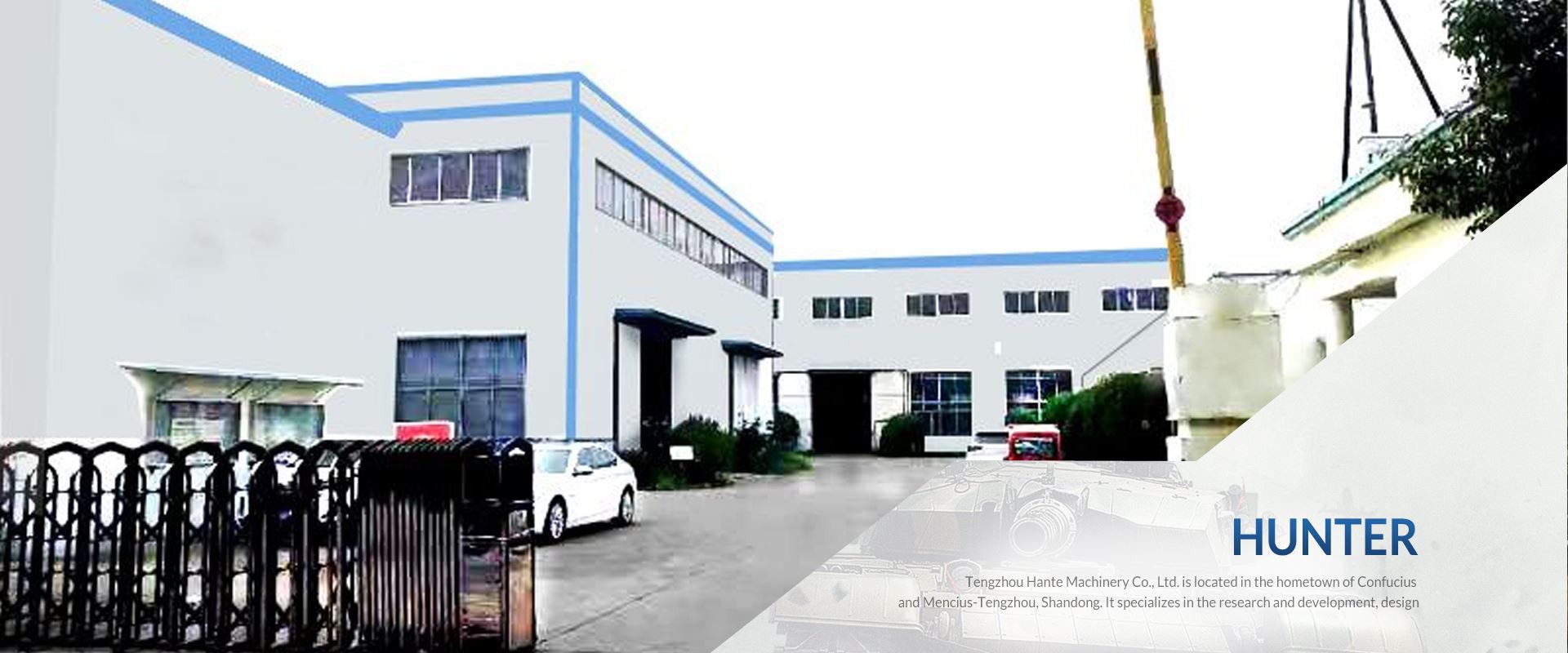
JINXIANG ZHENGBIAO MACHINERY Co., Ltd. is a professional manufacturer of garlic deep processing machinery. Our main products include garlic sorting machines, garlic cutting machines, garlic peeling machines, garlic dryers, and garlic drying machines, garlic grading machines, garlic weighing machines, garlic packaging machines, and dozens of other garlic-specific mechanical products. Zhengbiao adapts to the development of the global garlic machinery industry and provides high-quality and low-price products to new and old customers.
Our Advantages
Advanced Process Equipment
Our factory covers an area of 5,000 square meters and is equipped with professional lathes, milling machines, sawing machines, large shears, bending machines, argon arc welding machines, and other processing equipment to meet production needs.
High Market Share
Diversified crop processing machinery and deep processing machinery are welcomed by large vegetable wholesale markets, small farmers' markets, and agricultural product processing plants, with a market share of more than 70%.
Scientific Technical Support
Professional designers will design professional drawing machinery according to factory conditions, and rationalize the installation and placement of machinery to meet customers' customized needs.
Lifelong After-Sales Service
Full-time after-sales personnel provide services 24 hours a day. If any problems occur during the use of the device, users can contact us.
-

The cold dryer is a kind of equipment that uses the working principle of cooling and condensation to dry compressed air.
Add to Inquiry -
The air dryer is mainly for air-drying some vegetables, fruits and some meats. Part of the principle is to facilitate preservation, and the other is for the processing of some foods.
Add to Inquiry -
The drying machine has the function of automatic squeezing water and automatic disinfection. Adopt intermittent squeeze method, intermittent time and squeeze time can be adjusted automatically.
Add to Inquiry


A drying machine is a machine, appliance, or apparatus for removing moisture, such as by forced ventilation or heat. In the food industry, these machines are used to remove moisture from food items, preserving them for longer storage and maintaining their nutritional value.
Types of Drying Machine


●Cold Dryer
The cold air dryer uses low-temperature and low-humidity air to forcefully circulate between the food and the food to gradually reduce the moisture content of the food and achieve the drying effect. Compared with the traditional dryer, this cold-air dryer can better reflect the low temperature.
Advantages
Whole Food Nutrition
Shifting consumer values have led more people to seek nutrition from real, high-quality food sources with understandable labels. Because they are minimally processed, cold-dried foods can be clean ingredients, free from synthetic, artificial, and highly processed materials.
Closest to the Fresh Form
Cold-drying retains nutritional value better than other drying methods, further supporting consumers’ desire for nutrition from whole foods. The process also preserves the actual color and shape of the original raw material, reassuring consumers they are actually getting real fruits and vegetables in their diets. The intense flavor and aroma of cold-dried ingredients also closely resembles the profile of the raw material.
Application Variety
Customization and blending capabilities give food processors the ability to incorporate real fruits and vegetables into a large variety of applications. Categories of cold-dried applications is growing.
Prolonged Shelf Life
The shelf life of any given product directly links to the moisture content of that product. Removing water through the cold-drying process removes potential for bacterial growth. Moisture content varies from product to product. Actual length of shelf life for any given cold-dried product depends on packaging, storage temperature and the product itself.
●Air Dryer
An air dryer for food, also known as a food dehydrator, is a specialized drying appliance used to remove moisture from various food items. It is designed to preserve the food by reducing its moisture content to a level that inhibits the growth of bacteria, mold, and other microorganisms, thereby extending its shelf life.
Advantages
Keep Food Fresh Longer
When you dry food, it removes water and prevents food from going bad quickly. As a result, fruits, vegetables and meat last longer after dehydration. You can keep them in jars or other food storage containers that won't need refrigeration, and they'll still stay edible for an extended time. Remember to remove any fat from meat before the dehydration process to ensure it dries completely with less oil.
Make Preserved Food Healthier
Not only does dehydrating food keep for longer periods of time, but it also makes it healthier. When food is canned for preservation, added sugars or other preservatives might be used that may make the product less healthy. An advantage of dehydration is that you don't add any sugar or unnecessary ingredients, which allows their nutrients to remain intact. Dehydrated foods also have naturally sweet or strong flavors without additives, which encourages kids to eat healthier snacks.
Use It for More Than Just Food
When trying to decide if a food dehydrator worth it, consider its overall versatility. Dehydrators have many uses that have nothing to do with preserving or drying food. You can use them to dry arts and crafts projects like flour molds or for making your own potpourris.
Create Versatile Dishes
Other than the usual fruits and veggies, dehydrators enable other types of cooking and food prep. You can proof bread dough in it, make yogurt or snacks like fruit leather because the heat and drying process provides the ideal environment to create these culinary delights. Some dehydrators also allow for drying baking ingredients like nuts, seeds and milk.
●Sponge Dryer
A sponge dryer is used to dry fruits and vegetables before packaging. A series of sponge-covered rollers remove excess water to reduce the risk of bacterial growth and diseases. The drive roller bed can be lowered on both sides to facilitate maintenance and cleaning. It is a simple, but effective way of removing excess water.
Advantages
Efficient Drying
By utilizing a series of sponges in the drying system, the dryer can handle a larger quantity of sponges simultaneously, thereby increasing drying efficiency. The sponges are evenly spaced and properly ventilated, allowing for effective airflow and moisture removal.
Quick Drying
The continuous rotation of the sponges within the dryer promotes faster drying. As each sponge moves through the drying process, it ensures the drying time of vegetables is minimized.
Application of Drying Machines
Fruit and Vegetable Drying
Suitable for drying apples, apricots, grapes, onions, peppers, tomatoes, mushrooms, eggplant, garlic slices, figs, plums, coconut, and so on.
Traditional Chinese Medicinal Materials Drying
Suitable for drying honeysuckle, ginseng, codonopsis pilosula, white atractylodes rhizome, etc.
Food Drying
Suitable for potato slice drying.
Industrial Drying
Suitable for drying in pharmaceuticals, chemicals, food, farming, aquatic products, light industry, heavy industry, and so on.
Working Principle of Drying Machine

Circulation of Hot Air
The drying machine is equipped with a heating element such as an electric heater or gas heat source, which generates hot air. The hot air is directed into the drying chamber of the dehydrator and circulated using a fan or blower. This ensures that the hot air passes evenly over the food, accelerating the evaporation of moisture.

Temperature Control
Drying machines typically have temperature control functionality to adjust the temperature of the hot air as needed. Different types of food may require different temperatures for optimal drying results. By controlling the temperature, the dehydrator can heat the air within the appropriate range to avoid overheating or overcooking the food.

Humidity Control
Some advanced drying machines are equipped with humidity control features. By monitoring the humidity level inside the drying chamber, the dehydrator can automatically adjust the humidity to ensure controlled moisture during the drying process. This helps prevent the food from becoming too dry or too moist.

Ventilation
Drying machines are often equipped with breathable drying racks or trays, allowing air to circulate and come into contact with the surface of the food. This allows the hot air to absorb moisture from the food's surface and carry it away. Additionally, the design with ventilation promotes airflow within the drying chamber to achieve even drying.
Things to Consider When Choosing a Drying Machine
Wattage
The lower the wattage, the less energy an appliance uses, but the longer it takes to heat up and do its job. Higher wattage units will heat up more quickly and are more powerful, but they may also be more expensive to purchase and run.
Capacity
Since drying food takes a long time, you'll want to make sure that the unit you choose can keep up with the demand of your operation. If you are only drying a few herbs for cooking, a small dehydrator will suffice. If you want to start a jerky business, you may need several large commercial units to handle the volume.


Size and Space
Pick a dehydrator that fits your space. Consider the unit's dimensions - top to bottom, front to back, and side to side - to make sure it's going to fit in the spot you've chosen.
Capacity
Since drying food takes a long time, you'll want to make sure that the unit you choose can keep up with the demand of your operation. If you are only drying a few herbs for cooking, a small dehydrator will suffice. If you want to start a jerky business, you may need several large commercial units to handle the volume.
Timers: Many dehydrators come with a simple on/off switch, which is great when you can keep a close eye on the drying process. If you'd prefer to load the unit up and forget about it, a model with a built-in timer is a great choice. Some units even have automatic shut-off features that make it easy to dry foods overnight without over-drying them.
Ultimate FAQ Guide to Drying Machines
As one of the leading drying machine manufacturers and suppliers in China, we warmly welcome you to wholesale high-grade drying machine made in China here from our factory. All our products are with high quality and competitive price.
Sponge Dryer, Air Dryer, Cold Dryer