

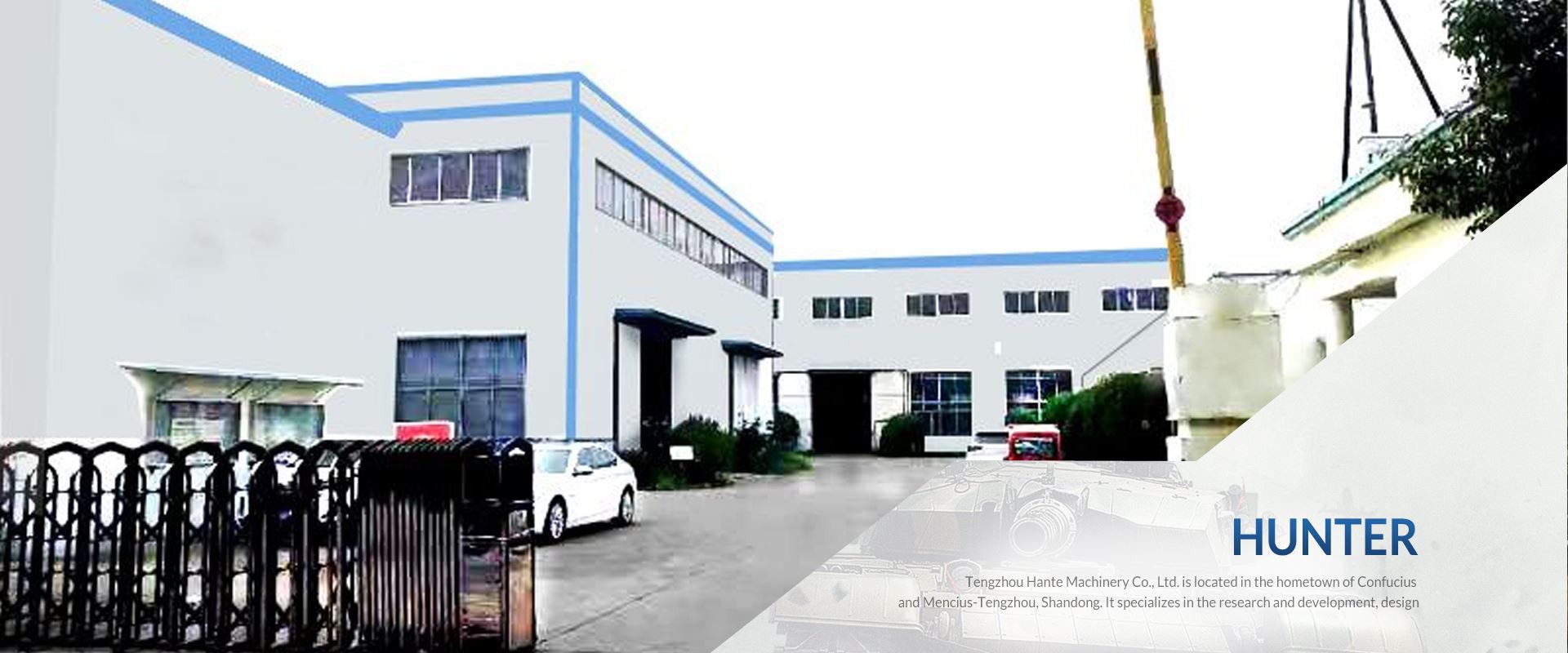
JINXIANG ZHENGBIAO MACHINERY Co., Ltd. is a professional manufacturer of garlic deep processing machinery. Our main products include garlic sorting machines, garlic cutting machines, garlic peeling machines, garlic dryers, and garlic drying machines, garlic grading machines, garlic weighing machines, garlic packaging machines, and dozens of other garlic-specific mechanical products. Zhengbiao adapts to the development of the global garlic machinery industry and provides high-quality and low-price products to new and old customers.
Our Advantages
Advanced Process Equipment
Our factory covers an area of 5,000 square meters and is equipped with professional lathes, milling machines, sawing machines, large shears, bending machines, argon arc welding machines, and other processing equipment to meet production needs.
High Market Share
Diversified crop processing machinery and deep processing machinery are welcomed by large vegetable wholesale markets, small farmers' markets, and agricultural product processing plants, with a market share of more than 70%.
Scientific Technical Support
Professional designers will design professional drawing machinery according to factory conditions, and rationalize the installation and placement of machinery to meet customers' customized needs.
Lifelong After-Sales Service
Full-time after-sales personnel provide services 24 hours a day. If any problems occur during the use of the device, users can contact us.
-

Frequency Conversion Air Compressor
JINXIANG ZHENGBIAO MACHINERY Co., Ltd. is a professional manufacturer of garlic deep processing machinery. Our main products include garlic sorting machines, garlic cutting machines, garlic peeling
Add to Inquiry -
Frequency Conversion Air Compressor
The frequency converter of the air compressor will adjust the speed of the frequency conversion air compressor according to the trend of fluctuations in the pressure of the pipe network.
Add to Inquiry -
Compared with the traditionally controlled compressor, the energy saving of the piston air compressor is of practical significance.
Add to Inquiry -
Screw compressors, also known as screw compressors, include screw air compressors and screw process compressors.
Add to Inquiry -
The cylinders of garlic rice packaging machines and other equipment all need high-pressure air with a pressure of 0.4-1.0MPa to operate, and the use of air compressors is to produce high-pressure air.
Add to Inquiry


An air compressor is a machine that takes ambient air from the surroundings and discharges it at a higher pressure. It is an application of a gas compressor and a pneumatic device that converts mechanical power (from an electric motor, diesel or gasoline engine, etc.) into potential energy stored in compressed air, which has many uses. A common application is to compress air into a storage tank, for immediate or later use.

Types of Compressor


Rotary Screw Compressors
A common type of displacement compressor, rotary screws are some of the easiest types of air compressors to take care of, as they are equipped with an internal cooling system that doesn’t require much maintenance. They are typically large industrial-sized machines that can be either lubricated with oil or run oil-free. Rotary screw air compressors generate energy via two internal rotors that turn in opposite directions. The air gets trapped between the two opposing rotors and builds up pressure within the housing. Because of the internal cooling system, these air compressors are designed for continuous use, and range in power from 5 horsepower up to 350 horsepower.
Reciprocating Compressors
Reciprocating compressors are another popular type of displacement compressor. They are typically found at smaller work sites such as garages and home construction projects. Unlike the rotary screw compressor, the reciprocating compressor is not designed for continuous use. A reciprocating air compressor also has more moving parts, which are lubricated with oil for smoother movement. Reciprocating compressors work via a piston inside a cylinder, which compresses and displaces the air to build pressure. Reciprocating compressors can come in single- or multi-stage variations, which affects the pressure ranges they can achieve. When you need more power, the multi-stage compressor is the way to go. While single-stage compressors will get the job done for smaller projects such as woodworking and metalworking, multi-stage compressors provide the power needed for intense construction, such as automobile assembly and maintenance.
Axial Compressors
Axial air compressors are not typically used in construction projects. Instead, they are commonly found in high-speed engines on ships and planes. Axial compressors have a high efficiency rate but are much more expensive than other types of air compressors, making them best suited for aerospace applications requiring high horsepower.
Centrifugal Compressors
Centrifugal air compressors slow and cool incoming air through a diffuser in order to build up potential energy. Because of their multi-phase compression process, centrifugal compressors are able to produce a high amount of energy in a relatively small machine. These compressors require less maintenance than rotary screw or reciprocating compressors, and some types can produce oil-free air. Because they can reach around 1,000 horsepower, centrifugal compressors are typically used for more demanding construction sites like chemical plants and steel manufacturing centers.
Benefits of Compressor
Embracing Energy Efficiency
Air compressors embody the epitome of energy efficiency. Powered by a heavy internal motor, an air compressor effectively converts electrical energy into kinetic energy. Their efficiency depends on several factors such as motor horsepower, tank capacity, and output pressure. Advanced technology allows these tools to adapt their energy consumption to specific needs, significantly contributing to energy conservation.
Multifunction
Air compressors are versatile and multifunctional powerhouses. And with the right air tools, they can tackle a vast range of tasks. From professional drilling, sanding and polishing, to spray painting, air compressors are incredibly adaptable. Portable models are easy to transport to different job sites, or around the same site, as needed. It’s also easy to change air tools to tackle a variety of jobs.
Prioritising Safety
The safety advantages of air compressors are many. They minimise the risk of electrical shocks better than electrically powered tools, and are safe to operate in areas with combustive gases or at high temperatures. The appropriate air compressor and air tool combo can also handle higher torque ratings, and strenuous high-temperature operations, without breaking.
Reliability and Maintenance
Air compressors and power tools are well-known for their dependability and low maintenance. Their high air quality and robust design reduce the likelihood of a malfunctioning tool, ensuring reliable functioning.
Economical Choice
Not many people realise how budget-friendly air tools really are. As a power source, air compressors are not merely energy-efficient, but also super cost-effective. With lower initial and replacement costs than their electric tool counterparts, they offer serious savings. They also provide an added layer of security, as their unique nature makes air compressors and air-driven tools less attractive to potential thieves than standard power tools.
Application of Compressor

Air Compressors for Construction
Construction sites use large air compressors to power drills, hammers, and compactors. Power from compressed air is essential on remote sites without reliable access to electricity, petrol and diesel as compressed air provides uninterrupted power.

Air Compressors for Manufacturing
Rotary screw equipment ensures that food, beverage, and pharmaceutical manufacturing deliver clean, contaminant-free, and tightly sealed products. Rotary screw equipment can simultaneously power the conveyor belts, sprayers, presses, and packaging.

Air Compressors for Agriculture
Tractors, sprayers, pumps, and crop conveyors are powered by air compressors to complete the farming and agriculture operations. Dairy farm and greenhouse ventilation machinery also require compressed air that distributes steady and clean air.

Air Compressors for Engines
Vehicle engines contain air compressors for heating and cooling, as well as in air brakes for larger trucks and trains. Compressed air also runs many theme park rides.

Heating, Ventilation and Air Conditioning (HVAC)
Air and heat pump systems of HVAC units usually have rotary screw models built in. Rotary screw models conduct vapour compression refrigeration that entails compressing air vapours, raising the temperature, and modulating the all-important refrigerant cycles.

Air Compressors for Spray Painting
Small air compressors are used in spray painting by powering airbrushes for personal and commercial use. Airbrushes range from delicate desktop brushes for artists to larger brushes for repainting vehicles.

Energy Sector
Oil drilling relies on air compressors for functionality in the energy sector. Safe and dependable air compressed drilling equipment in oil rig operations is imperative to the safety of the crew. Air compressed oil drilling equipment is unique with their spark-free delivery and stable outputs.

Air Compressors for Pressure Washing
Compressed air is used to pump high pressured water through pressure cleaners and water blasters for more effective cleaning of concrete floors and brickwork, stain removal, and engine bay degreasing for pressure cleaning.

Air compressors work by forcing atmospheric air under pressure to create potential energy that can be stored in a tank for later use. Just like an open balloon, the pressure builds up when the compressed air is deliberately released, converting the potential energy into usable kinetic energy. From there, this energy transfer can be harnessed to power various pneumatic tools. Industrial air compressors work similarly to combustion engines. Generally, air compressor operation requires a pump cylinder, piston and crankshaft to transfer energy for a wide variety of tasks. These basic components can help supply air for filling up objects like tires or inflatable pool toys, or they can supply power for operating tools such as drills, nail guns, grinders, sanders and spray guns. From impact wrenches to AC units, many versatile air-powered tools and machines are responsible for the comfort, shelter, automation and efficiency of everyday life. The compressors themselves are more compact and lightweight than other centralized power sources. They are also long-lasting, require less maintenance and are easier to move than other old-fashioned machinery.
Things to Consider When Choosing an Air Compressor
Air Pressure: Measured in pounds per square inch (PSI), this pressure describes how much air the compressor delivers. Higher PSI measurements mean the unit produces more air volume.
Air Delivery: Expressed in cubic feet per minute (CFM), air delivery shows how much air a compressor can pump in one minute. Air delivery is also known as volume flow rate. The larger your application or the more complex your needs, the higher CFM you'll require.
Tank Size: Short tanks are suitable for intermittent compressor use, often in quick bursts. If you'll continuously use your compressor, you'll need a larger tank that can store more air and keep up with demand.
Duty Cycle: Duty cycles are how often a compressor can run before pressurizing more air. This measure is often expressed as a percentage — a 50% duty cycle would require two minutes to cycle in new air after one minute of operation.
Power: Air compressor power considerations include horsepower and the power supply. Horsepower shows how much power the unit's engine provides, and your air compressor power supply options include electric, hydraulic and gas. Electric motors often have simpler maintenance needs, lowering their operating costs. Hydraulic Compressors are also cost-effective and can integrate into your existing power sources. Gas-powered models provide consistent pressure.
Configuration and Air Capacity: Consider your operating needs to determine the air compressor type and capacity you require. For example, reciprocating compressors, available in single-stage and two-stage configurations, have lower capacities, making them well-suited for workshops, construction sites and other needs that require intermittent use. Rotary screw compressors offer higher capacities and are designed to operate continuously, so they are often used in industrial applications.
Ultimate FAQ Guide to Compressor
As one of the leading compressor manufacturers and suppliers in China, we warmly welcome you to wholesale high-grade compressor made in China here from our factory. All our products are with high quality and competitive price.
compressor monitoring, compressor return policy, compressor operation