

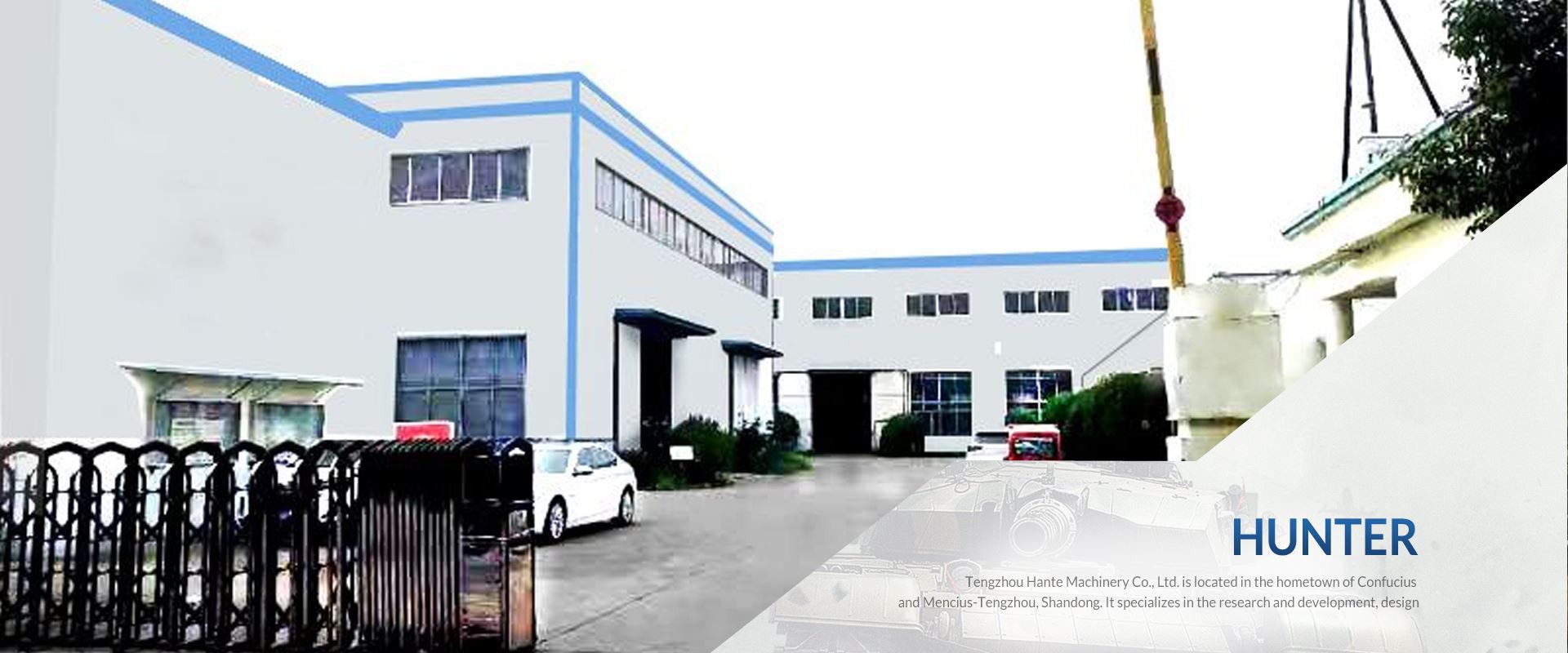
JINXIANG ZHENGBIAO MACHINERY Co., Ltd. is a professional manufacturer of garlic deep processing machinery. Our main products include garlic sorting machines, garlic cutting machines, garlic peeling machines, garlic dryers, and garlic drying machines, garlic grading machines, garlic weighing machines, garlic packaging machines, and dozens of other garlic-specific mechanical products. Zhengbiao adapts to the development of the global garlic machinery industry and provides high-quality and low-price products to new and old customers.
Our Advantages
Advanced Process Equipment
Our factory covers an area of 5,000 square meters and is equipped with professional lathes, milling machines, sawing machines, large shears, bending machines, argon arc welding machines, and other processing equipment to meet production needs.
High Market Share
Diversified crop processing machinery and deep processing machinery are welcomed by large vegetable wholesale markets, small farmers' markets, and agricultural product processing plants, with a market share of more than 70%.
Scientific Technical Support
Professional designers will design professional drawing machinery according to factory conditions, and rationalize the installation and placement of machinery to meet customers' customized needs.
Lifelong After-Sales Service
Full-time after-sales personnel provide services 24 hours a day. If any problems occur during the use of the device, users can contact us.
-

First, the discharge tongue device at the exit of the machine head is not suitable, and the tongue is too far away from the discharge position of the hopper, which will cause return.
Add to Inquiry -
The conveying speed of the chain conveyor hoist is accurate and stable, which can ensure precise synchronous conveying.
Add to Inquiry -
In the production and transportation operations, it can transport materials with higher temperature, and the highest temperature can reach 250 degrees;
Add to Inquiry -
The chain plate feeder can withstand large loads and long-distance transportation; the form of the line body is straight and curved transportation;
Add to Inquiry -
The belt feeder is suitable for food, beverage, pharmaceutical, electronics, tobacco, chemical and other industries. It is widely used in all kinds of receiving and conveying.
Add to Inquiry


A garlic clove hoist is a specialized device or tool used in commercial or industrial settings to assist in the process of separating individual garlic cloves from a larger bulb. The hoist typically consists of a conveyor system or a rotating drum with strategically placed fingers or prongs that gently grip the garlic bulb while allowing the individual cloves to detach. The cloves are then conveyed or transferred to a separate chute or container for further processing or packaging.

Types of Garlic Clove Hoist


Hopper Elevator
Hopper elevator is widely used for various processing solutions to lift the product to a specific height and use gravity to transport the product through the processing unit. The main applications of different hopper elevator types include fish or other product grading, nobbing, filleting, and others.
Conveyor Elevator
Conveyor elevators are used to transport products between multiple levels with speed and care. It doesn't matter if loads are packaged or unpackaged, soft or rigid, our conveyors deliver reliability and high performance.
Belt Elevator
Belt Type Bucket Elevator is a commonly used conveying equipment, usually used for lifting and conveying various materials. It is characterized by large conveying capacity, fast speed, and high height. It also has the advantages of safety, reliability, simple structure, and convenient maintenance.
Belt Feeder
Heavy-duty belt feeders are capable of handling nearly any material. Belt feeders are commonly used when material that is either stockpiled or loaded (at an uncontrolled rate) in a bin or hopper needs to be introduced into the system at a controlled feed rate. Able to handle a variety of materials, belt feeders are reliable and useful in an endless amount of applications. Comprised of a conveyor belt on rollers, belt feeders are available in a variety of sizes and capacities, based on the needs of your process and material.
Benefits of Garlic Clove Hoist
●Hopper Elevator Benefits
Easy Transportation
Perhaps the biggest advantage of the hopper elevator is its ability to transport materials much more easily. The bucket is also capable of much more gentle handling than workers are. A manufacturing facility that has a continuous bucket elevator can transport large amounts of materials much more easily and it can easily give a business a leg up on the competition in terms of sheer transportation capacity.
Large Capacity
Depending on the hopper or bucket you choose, your elevator can haul bulk material with its ongoing centrifugal force. Plus, since hopper elevators are designed to be incredibly durable, you don’t have to worry about spillage. The bucket elevator is designed to remain upright and can prevent material damages.
Weather Resistance
No matter your project or your transportation needs, most hopper elevators can operate in almost all types of weather. This means that your products won’t get stalled out or halted by inclement weather. As you know, being unable to complete a job can cost you time, money, and energy.
Innovative Designs
Buckets can come in many shapes and sizes depending on the overall needs. On top of this, many hopper elevator are designed to have a much smaller footprint compared to more traditional conveying methods. This saves a good deal of energy consumption and also saves on some much-needed factory or plant floor space. Commonly, hopper elevators are able to be customized to specific needs and project requirements. On top of this, hopper elevator can be crafted with a wide variety of materials, including stainless steel, carbon steel, and more.
●Conveyor Elevator Benefits
Efficient Vertical Transport
Conveyor elevators are specifically designed to transport bulk materials vertically, making them highly efficient in handling materials that need to be lifted or lowered between different levels.
Space Optimization
Conveyor elevators can effectively utilize vertical space in a facility, allowing for the transportation of materials without taking up excessive floor area. This is particularly beneficial in settings with limited space.
Gentle Handling
Conveyor elevators handle materials gently, minimizing the risk of damage or product degradation during transport.
Versatility
Conveyor elevators can handle a wide range of materials, including dry or wet goods, powders, granules, and even fragile items like fruits or vegetables. They can be customized with different types of buckets or conveyor belts to suit specific material handling requirements.
●Belt Elevator Benefits
High Capacity
Belt Elevators can handle high-capacity loads of materials, making them ideal for use in industries that require the transportation of large volumes of materials.
Versatility
Belt Elevators are highly versatile and can be customized to meet specific industrial needs. They can be made from a variety of materials, including rubber, PVC, and polyurethane.
Space-Saving
Belt Elevators are designed to transport materials vertically, which helps to save valuable floor space in industrial facilities.
Reduced Material Loss
Belt Elevators are designed to prevent material loss during transportation. This helps to minimize waste and improve the overall efficiency of industrial operations.
●Belt Feeder Benefits
Versatile Applications
Developed according to strict safety standards and for easy maintenance, transport, and installation, belt feeders are widely used in mining operations, power generation and construction applications, as well as pulp and paper plants, fertilizer plants, and in grain industry or anywhere bulk materials handling is required.
Optimization Options
Available in standard capacity and high capacity models, belt feeders can be implemented in fixed circuits or fitted with wheels for easy transportation. We also offer a wide range of additional features and services for these feeders to enable maximum efficiency of your operations.
Safe to Operate
Belt feeders are built according to strict safety standards, such as NRs (Brazilian regulations) and OSHA and MSHA (United States regulations). They include an emergency stop as well as misalignment and under speed switches to ensure operator safety. Optional features can also be fitted to additionally improve overall safety.
Simplified Maintenance
The rugged design and features such as an abrasion resistant liner help significantly increase service life. Additionally, components are easy to access, which simplifies the maintenance process so spare and wear parts can be quickly and easily replaced with minimal downtime.
Application of Garlic Clove Hoist

Hopper Elevator Application
Grain Processing: Used to process grains such as wheat, corn, rice, barley, and soybeans. They are used to transport grain from above ground storage facilities or silos to a higher level for processing, cleaning, or storage.
Seed Processing: Used to process and move different types of seeds, including oilseeds, beans, and vegetable seeds. The hopper acts as a collection point for the seed before it is lifted and transported to other processing equipment or storage bins.
Food Processing: Used to process bulk food, such as grains, nuts, seeds, and powder. They are used for vertical conveying at all stages of food processing, including cleaning, sorting, and packaging.
Chemical and Pharmaceutical Industry: Used to handle bulk materials such as powder, granules, and pellets. They are used to transport these materials vertically for mixing, blending, packaging, or storage.
Cement Industry: Used to transport and lift cement, limestone, fly ash, and other materials, widely used in cement plants, limestone crushing, and grinding systems.
Coal Industry: Used to store and transport coal, coal ash, coke, and other materials, often used in coal storage yards, thermal power plants, and fertilizer plants.
Belt Feeder Application
The precise control belt feeders lend to bulk solids handling makes them useful in a diverse range of applications. Capable of handling everything from sand to ore, belt feeders are especially critical when working with bulk solids that exhibit poor flowability. They are often found in the following settings:
Pulp and paper mills
Power generation plants
Mining and mineral processing operations
Fertilizer production and blending plants
Chemical production facilities
Aggregate handling operations

Factors to Consider in Belt Feeder Design
Head Load
Head load is the single most important factor in belt feeder design. The head load is the amount of pressure put on the belt directly under the hopper opening as a result of the weight of the material resting on the belt. The head load is determined by the material’s bulk density, in combination with the hopper dimensions and configuration. In addition to defining the level of structural support required, the head load is used to determine the amount of horsepower required to move the belt. The greater the head load, the more horsepower required, and the larger the motor and associated components must be. If a conveyor were undersized for the head load, the feeder would not run, because the motor would over-amp and stall out. Oversizing a belt feeder might seem like a better option, but is inefficient and consumes more energy than is necessary. Because a greater head load requires the use of more robust components, thereby increasing the capital expense, it is often desirable to try to minimize the head load on the conveyor.
Skirting
While feed rate is primarily a result of belt speed and slide gate height, skirt boards, or skirting, can be used to increase the feed rate capacity. Skirt boards serve to contain material on the belt by providing additional structure for material to rest against. This often allows operators to “over fill” the conveyor and reach a higher capacity. However, this must be carried out with caution, as the next conveyor must also be capable of handling the load, and since it is not cost-effective to fully skirt long conveyor spans, the conveyor following the belt feeder is typically not skirted and will not be able to contain as much material, though the increased speed of this conveyor helps to make up for this.
VFDS
Since belt speed is a primary factor in adjusting feeder flow rate, a variable frequency drive, or VFD, is an essential component of the belt feeder. The VFD allows operators to adjust belt speed in response to changing particle size or fluctuations in capacity during startup or shutdown. Were a VFD not utilized, operators would have no control over belt speed and would be limited in their adjustments by the strike-off plate, which itself is limited by the maximum allowable height adjustment.
Belt Scale
The conveyor following the belt feeder commonly employs a belt scale. A belt scale weighs the material on the conveyor in order to confirm the desired feed rate. Belt scales are particularly useful when material is prone to flow problems such as ratholing, as it can help to indicate when a reduction in feed rate has occurred.
Ultimate FAQ Guide to Garlic Clove Hoist
As one of the leading garlic clove hoist manufacturers and suppliers in China, we warmly welcome you to wholesale high-grade garlic clove hoist made in China here from our factory. All our products are with high quality and competitive price.
feeder belt conveyor for food, conveyor belt feeding system, belt feeder for sale