

Can a Belt Sorting Table sort items based on weight?
Jun 20, 2025
Hey there! As a supplier of Belt Sorting Tables, I often get asked a bunch of questions about these nifty machines. One of the most common queries is, "Can a Belt Sorting Table sort items based on weight?" Well, let's dive right into it and find out!
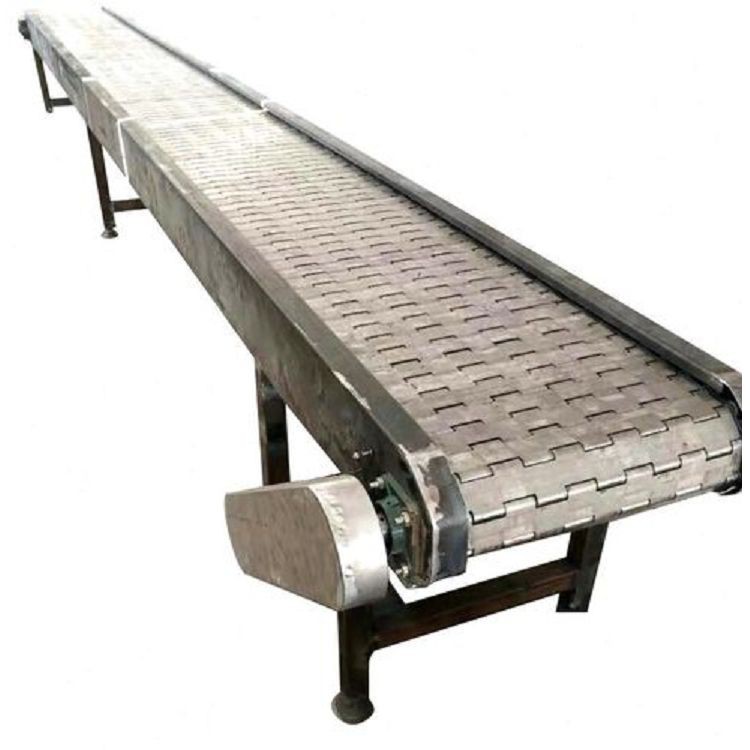
First off, let's talk a bit about what a Belt Sorting Table is. It's a type of equipment used in various industries, like food processing, manufacturing, and logistics. The main job of a belt sorting table is to separate different items, and it usually does this by using a conveyor belt system.
Now, to answer the big question - yes, a Belt Sorting Table can sort items based on weight, but there are a few things to consider.
How Does Weight Sorting Work on a Belt Sorting Table?
The basic principle behind weight sorting on a belt sorting table involves a combination of sensors and mechanical or pneumatic systems. The sensors, usually load cells, are placed strategically along the conveyor belt. As the items move along the belt, they pass over these sensors. The load cells measure the weight of each item and send this information to a control system.
The control system then analyzes the weight data. If an item meets a certain weight criteria, the system activates a mechanism to divert the item to a specific chute or area. For example, in a food processing plant, the Belt Sorting Table might be set to separate apples based on weight. Apples that are too light or too heavy for packaging can be sorted out and sent to different areas for further processing or disposal.
Factors Affecting Weight Sorting Accuracy
While a Belt Sorting Table can sort items by weight, the accuracy of this process depends on several factors.
1. Sensor Quality
The quality of the load cells used in the sorting table plays a huge role. High - quality sensors are more accurate and reliable. They can detect even small differences in weight, which is crucial for precise sorting. Cheaper sensors might not provide accurate readings, leading to mis - sorting of items.
2. Item Characteristics
The nature of the items being sorted also matters. Irregularly shaped items can be more challenging to weigh accurately. For instance, if you're sorting oddly shaped pieces of wood, the weight distribution might not be uniform, and the item might not sit evenly on the load cell. This can result in inaccurate weight measurements.
3. Conveyor Speed
The speed at which the conveyor belt moves affects weight sorting. If the belt is moving too fast, the load cells might not have enough time to get an accurate weight reading. On the other hand, if the belt is moving too slowly, it can reduce the overall efficiency of the sorting process.
Advantages of Weight Sorting with a Belt Sorting Table
There are several benefits to using a Belt Sorting Table for weight sorting.
1. Efficiency
It can sort a large number of items quickly. In a busy manufacturing or processing facility, time is money. A Belt Sorting Table can handle a high volume of items per hour, increasing the overall productivity of the operation.

2. Quality Control
By sorting items based on weight, companies can ensure that only products within the desired weight range are packaged and sent to market. This helps maintain consistent product quality and customer satisfaction.
3. Cost - Savings
Sorting out items that don't meet the weight criteria early in the process can save costs. For example, in a packaging operation, if under - weight items are sorted out, it can prevent the waste of packaging materials on sub - standard products.
Comparing with Other Sorting Tables
When it comes to sorting items, there are other types of sorting tables available, like the Chain Plate Sorting Table. While both can be used for sorting, they have some differences.
The Chain Plate Sorting Table uses a chain - driven plate system instead of a belt. It's often more suitable for heavier and bulkier items. The chain plates can handle more weight and are more durable in harsh environments. However, for weight sorting of smaller and lighter items, a Belt Sorting Table is usually a better choice. The belt provides a smoother surface for items to move on, which can lead to more accurate weight measurements.
Integration with Other Equipment
A Belt Sorting Table can be easily integrated with other equipment in a production line, such as a Packing Machine. After the items are sorted by weight, they can be directly fed into the packing machine. This seamless integration helps streamline the entire production process, reducing manual handling and potential errors.
Conclusion
So, to sum it up, a Belt Sorting Table can definitely sort items based on weight. It offers a practical and efficient solution for many industries that need to separate items according to their weight. However, the accuracy and effectiveness of the sorting process depend on various factors, including sensor quality, item characteristics, and conveyor speed.
If you're in an industry that requires weight sorting of items, a Belt Sorting Table could be a great addition to your production line. It can improve efficiency, quality control, and cost - savings. If you're interested in learning more about our Belt Sorting Tables or have any questions regarding weight sorting, feel free to reach out. We're here to help you find the best solution for your sorting needs.
References
- "Industrial Sorting Equipment: Principles and Applications" by John Smith
- "Advances in Conveyor Belt Technology" by Jane Doe
- Industry reports on sorting equipment efficiency and performance