

How does a packing machine work?
Oct 22, 2025
Hey there! As a packing machine supplier, I'm super excited to take you behind the scenes and show you how these nifty machines work. Whether you're a business owner looking to streamline your packaging process or just a curious soul, this blog post is for you.
Let's start with the basics. A packing machine is a piece of equipment designed to automate the packaging process. It can handle a wide range of products, from food and beverages to electronics and pharmaceuticals. The main goal of a packing machine is to increase efficiency, reduce labor costs, and ensure consistent packaging quality.
The Key Components of a Packing Machine
Before we dive into how a packing machine works, let's take a look at its key components. Understanding these parts will give you a better idea of how the machine functions as a whole.
- Feeding System: This is where the products enter the packing machine. Depending on the type of product, the feeding system can be a conveyor belt, a hopper, or a vibratory feeder. The feeding system ensures that the products are properly aligned and fed into the machine at a consistent rate.
- Packaging Material Supply: The packaging material, such as bags, boxes, or bottles, is stored in a supply unit. This unit can be a roll holder for flexible packaging materials or a magazine for rigid containers. The packaging material is then fed into the machine and prepared for filling.
- Filling System: The filling system is responsible for accurately measuring and dispensing the product into the packaging. There are several types of filling systems, including volumetric fillers, gravimetric fillers, and auger fillers. The choice of filling system depends on the nature of the product, such as its viscosity, density, and particle size.
- Sealing System: Once the product is filled into the packaging, the sealing system is used to close the package. This can be done through heat sealing, ultrasonic sealing, or adhesive sealing, depending on the type of packaging material. The sealing system ensures that the package is airtight and protects the product from contamination.
- Labeling and Coding System: Many packing machines are equipped with a labeling and coding system to apply labels, barcodes, and product information to the package. This system can be integrated into the machine or operate as a separate unit. The labeling and coding system helps to identify the product and provides important information for consumers and retailers.
- Control System: The control system is the brain of the packing machine. It regulates the operation of all the components and ensures that the machine runs smoothly and efficiently. The control system can be programmed to adjust the speed, filling volume, and other parameters according to the specific requirements of the product and packaging.
How a Packing Machine Works
Now that we know the key components of a packing machine, let's walk through the step-by-step process of how it works.
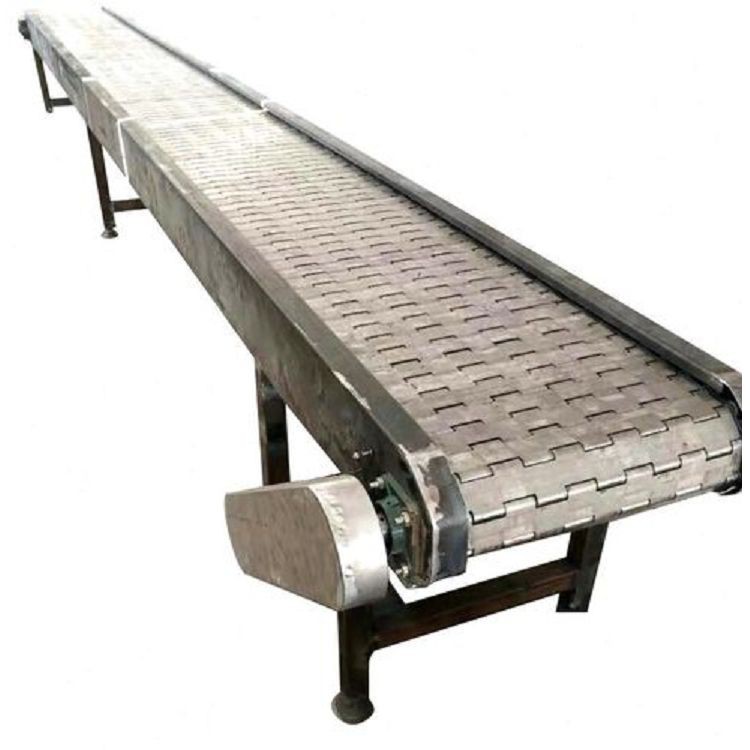

- Product Loading: The products are loaded onto the feeding system, which transports them to the filling station. The feeding system ensures that the products are evenly spaced and properly aligned for filling.
- Packaging Material Preparation: The packaging material is unwound from the supply unit and fed into the machine. If necessary, the material is cut to the appropriate size and shape. For example, a roll of flexible packaging material may be cut into individual bags before filling.
- Filling: The filling system measures the desired amount of product and dispenses it into the packaging. The filling process can be continuous or intermittent, depending on the type of product and the filling system used. For example, a liquid product may be filled continuously using a volumetric filler, while a solid product may be filled intermittently using a gravimetric filler.
- Sealing: After the product is filled, the packaging is sealed to prevent leakage and contamination. The sealing system applies heat, pressure, or adhesive to the edges of the packaging material to create a tight seal. The sealing process is carefully controlled to ensure that the seal is strong and reliable.
- Labeling and Coding: If required, the labeling and coding system applies labels, barcodes, and product information to the package. This can be done before or after the sealing process, depending on the design of the machine. The labeling and coding system ensures that the package is properly identified and compliant with regulatory requirements.
- Ejection and Collection: Once the package is sealed and labeled, it is ejected from the machine and collected in a discharge area. The packages can then be stacked, palletized, and prepared for shipping.
Types of Packing Machines
There are many different types of packing machines available on the market, each designed for specific applications and industries. Here are some of the most common types of packing machines:
- Vertical Form-Fill-Seal Machines: These machines are used to form, fill, and seal flexible packaging materials, such as bags and pouches. The packaging material is fed from a roll and formed into a tube, which is then filled with the product and sealed at the top and bottom. Vertical form-fill-seal machines are widely used in the food, pharmaceutical, and consumer goods industries.
- Horizontal Form-Fill-Seal Machines: Similar to vertical form-fill-seal machines, horizontal form-fill-seal machines are used to form, fill, and seal flexible packaging materials. However, the packaging material is fed horizontally and formed into a pouch or tray. Horizontal form-fill-seal machines are often used for products that require a larger packaging size or a more complex shape.
- Cartoning Machines: Cartoning machines are used to pack products into cartons or boxes. The cartons are formed from flat blanks and then filled with the product. Cartoning machines can be either automatic or semi-automatic and are commonly used in the food, beverage, and pharmaceutical industries.
- Bottling Machines: Bottling machines are used to fill and cap bottles with liquids, such as water, juice, and soda. The bottles are first cleaned and sanitized, then filled with the product, and finally capped. Bottling machines can be either single-head or multi-head and are available in various sizes and configurations.
- Palletizing Machines: Palletizing machines are used to stack and arrange packages on pallets for shipping and storage. The packages are picked up from a conveyor and placed on the pallet in a specific pattern. Palletizing machines can be either robotic or conventional and are commonly used in the logistics and warehousing industries.
The Role of Sorting Tables in the Packing Process
Sorting tables play an important role in the packing process by ensuring that the products are properly sorted and organized before they enter the packing machine. There are two main types of sorting tables: Belt Sorting Table and Chain Plate Sorting Table.
A belt sorting table uses a conveyor belt to transport the products. The belt can be adjusted to different speeds and inclinations to accommodate different types of products. The products are sorted based on their size, shape, or weight using sensors and sorting mechanisms. Belt sorting tables are commonly used for small to medium-sized products.
A chain plate sorting table, on the other hand, uses a chain-driven plate to transport the products. The chain plate can be designed with different types of surfaces, such as smooth or textured, to prevent the products from slipping. Chain plate sorting tables are more suitable for larger and heavier products.
Why Choose Our Packing Machines
As a leading Packing Machine supplier, we offer a wide range of high-quality packing machines that are designed to meet the diverse needs of our customers. Here are some reasons why you should choose our packing machines:
- Advanced Technology: Our packing machines are equipped with the latest technology and features to ensure high efficiency, accuracy, and reliability. We use state-of-the-art control systems, sensors, and actuators to optimize the performance of our machines.
- Customization Options: We understand that every customer has unique requirements, so we offer a wide range of customization options for our packing machines. Whether you need a specific filling system, sealing method, or labeling solution, we can tailor our machines to meet your needs.
- Quality and Durability: Our packing machines are built to last. We use high-quality materials and components in the manufacturing process to ensure the durability and reliability of our machines. Our machines are also rigorously tested before leaving the factory to ensure that they meet the highest quality standards.
- Excellent After-Sales Service: We provide comprehensive after-sales service to our customers, including installation, training, maintenance, and repair. Our team of experienced technicians is available 24/7 to assist you with any issues or questions you may have.
Contact Us for a Purchase Consultation
If you're interested in learning more about our packing machines or have any questions about the packing process, we'd love to hear from you. Our team of experts is ready to provide you with detailed information and help you choose the right packing machine for your business.
Don't hesitate to reach out to us for a purchase consultation. We're committed to helping you improve your packaging efficiency and achieve your business goals.
References
- Packaging Machinery Manufacturers Institute (PMMI). (2023). Packaging Machinery Technology Handbook.
- Singh, R. P., & Heldman, D. R. (2014). Introduction to Food Engineering. Academic Press.
- Roberts, R. H. (2006). Handbook of Package Engineering. Institute of Packaging Professionals.