

How does an air compressor work?
Nov 05, 2025
Hey there! As an air compressor supplier, I'm super stoked to share with you how these nifty machines work. Air compressors are everywhere, from small DIY projects at home to large - scale industrial operations. So, let's dig in and find out what makes them tick.
The Basics of Air Compression
First off, what's air compression all about? Well, air is made up of tiny molecules that are constantly moving around. When we compress air, we're essentially squeezing these molecules closer together. This increases the pressure of the air and decreases its volume.
Think of it like a sponge. When you squeeze a sponge, the water inside gets forced out, and the sponge takes up less space. In an air compressor, instead of water, we're dealing with air molecules. And just like the sponge, when we compress the air, we can store it and use it later.
Types of Air Compressors
There are several types of air compressors out there, but I'll focus on a few common ones.
Piston Air Compressor
One of the most common types is the Piston Air Compressor. It works kind of like an engine in a car. Inside the compressor, there's a piston that moves up and down inside a cylinder.
When the piston moves down, it creates a vacuum inside the cylinder. This vacuum sucks air into the cylinder through an intake valve. Then, when the piston moves back up, it compresses the air. The compressed air is then pushed out through an outlet valve into a storage tank.
These compressors are great for small - to medium - sized jobs. They're relatively simple in design, which makes them easy to maintain. You can find them in auto repair shops, small manufacturing plants, and even in some home workshops.
Frequency Conversion Air Compressor
Another type is the Frequency Conversion Air Compressor. This one is a bit more high - tech. It uses a variable - frequency drive (VFD) to control the speed of the compressor motor.
The VFD adjusts the frequency of the electrical power supplied to the motor. When the demand for compressed air is low, the motor runs at a lower speed. This saves energy because the compressor isn't working as hard as it would at full speed. When the demand increases, the motor speeds up to provide more compressed air.
Frequency conversion air compressors are really efficient, especially in applications where the air demand varies a lot. They're commonly used in large industrial facilities where energy savings can really add up over time.
The Components of an Air Compressor
Let's take a closer look at the main components of an air compressor.
Compressor Pump
The compressor pump is the heart of the machine. This is where the actual compression of air takes place. In a piston compressor, the pump consists of the piston, cylinder, and valves. In other types, like a rotary screw compressor, the pump has a different design, but its job is the same: to compress the air.
Electric Motor
The electric motor provides the power to run the compressor pump. It converts electrical energy into mechanical energy. The size and power of the motor depend on the size and capacity of the compressor. A small home - use compressor might have a motor with a few horsepower, while an industrial - grade compressor could have a motor with hundreds of horsepower.
Storage Tank
The storage tank is where the compressed air is stored. It acts like a reservoir, holding the compressed air until it's needed. This is important because it allows the compressor to run in short bursts. Instead of running continuously to meet the demand for air, the compressor can fill up the tank and then shut off until the pressure in the tank drops below a certain level.
Pressure Switch
The pressure switch is a crucial component. It monitors the pressure in the storage tank. When the pressure in the tank reaches a set maximum level, the pressure switch turns off the compressor motor. When the pressure drops to a set minimum level, the switch turns the motor back on to refill the tank.
Filters and Lubrication Systems
Most air compressors also have filters to remove dirt, dust, and moisture from the air. Clean air is important because it helps prevent damage to the compressor and the tools or equipment that use the compressed air.
Some compressors also have a lubrication system. This lubricates the moving parts of the compressor, reducing friction and wear. It helps the compressor run smoothly and last longer.
How an Air Compressor is Used
Once the air is compressed and stored in the tank, it can be used for a variety of purposes.
In a home workshop, you might use compressed air to power tools like nail guns, paint sprayers, or airbrushes. Compressed air makes these tools more powerful and efficient than their battery - powered or corded counterparts.
In an industrial setting, compressed air is used for all sorts of things. It can be used to operate pneumatic machinery, such as conveyor belts, presses, and automated assembly lines. It's also used in manufacturing processes like blowing, cleaning, and cooling.
Maintenance and Safety
Like any piece of equipment, air compressors need regular maintenance to keep them running properly. This includes checking the oil level (if it's an oil - lubricated compressor), changing the air filters, and inspecting the hoses and connections for leaks.
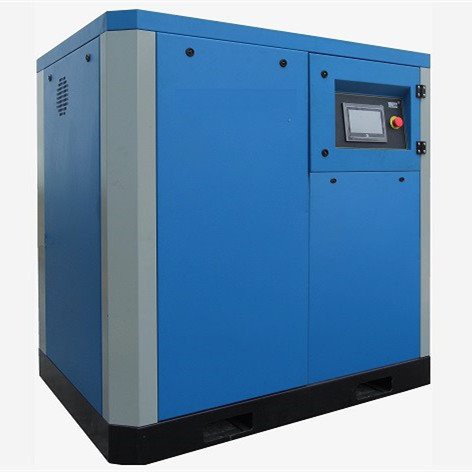

Safety is also really important when using an air compressor. Always follow the manufacturer's instructions and safety guidelines. Make sure the compressor is properly grounded to prevent electrical shocks. And never exceed the maximum pressure rating of the storage tank.
Why Choose Our Air Compressors
As an air compressor supplier, we offer a wide range of high - quality Air Compressors. Our compressors are built to last, with reliable components and advanced technology.
We understand that different customers have different needs. Whether you're a DIY enthusiast looking for a small compressor for your home workshop or a large industrial company in need of a heavy - duty compressor, we've got you covered.
Our team of experts is always ready to help you choose the right compressor for your application. We can also provide you with maintenance tips and support to ensure your compressor runs smoothly for years to come.
Contact Us for Purchase and Consultation
If you're interested in learning more about our air compressors or if you're ready to make a purchase, don't hesitate to reach out. We're here to answer all your questions and help you find the perfect air compressor for your needs. Let's start a conversation and see how we can work together to get you the best air compression solution.
References
- Compressed Air and Gas Handbook, 4th Edition
- Pneumatic Systems Design and Application Manual