

How to clean a Belt Sorting Table?
Oct 22, 2025
As a supplier of Belt Sorting Tables, I understand the importance of proper maintenance and cleaning to ensure the efficient and long - lasting performance of these machines. A well - cleaned Belt Sorting Table not only enhances its functionality but also reduces the risk of breakdowns and extends its lifespan. In this blog, I will share some comprehensive steps on how to clean a Belt Sorting Table.
Step 1: Preparation
Before starting the cleaning process, it is crucial to take some preparatory steps to ensure safety and efficiency. First, make sure to power off the Belt Sorting Table and unplug it from the power source. This prevents any accidental start - up during the cleaning process, which could lead to serious injuries.
Next, gather all the necessary cleaning tools and materials. You will typically need a soft - bristle brush, a microfiber cloth, a mild detergent, a bucket of warm water, and a vacuum cleaner with a brush attachment. The soft - bristle brush is ideal for removing debris from hard - to - reach areas, while the microfiber cloth is gentle on the belt surface and can effectively wipe away dirt and stains. The mild detergent will help to break down grease and grime, and the warm water will enhance the cleaning effect. The vacuum cleaner can be used to remove loose dust and particles from the table and the surrounding area.
Step 2: Remove Loose Debris
Use the vacuum cleaner with the brush attachment to remove any loose dust, dirt, and debris from the Belt Sorting Table. Start from the top of the table and work your way down, paying special attention to the edges, corners, and the areas around the belt. The vacuum cleaner can quickly pick up large particles such as food crumbs, paper scraps, and dust, making the subsequent cleaning steps more effective.
After vacuuming, use the soft - bristle brush to gently scrub the areas where debris may be stuck. For example, if there are small pieces of product residue on the belt or in the sorting mechanisms, the brush can dislodge them. Be careful not to apply too much pressure, as this could damage the belt or other components of the table.
Step 3: Clean the Belt
The belt is the most critical part of the Belt Sorting Table, and it requires special attention during the cleaning process. Mix a small amount of mild detergent with warm water in the bucket. Dip the microfiber cloth into the soapy water and wring it out until it is damp but not dripping.
Gently wipe the belt surface with the damp cloth, starting from one end and moving towards the other. Make sure to cover the entire width of the belt. If there are stubborn stains or sticky residues on the belt, you can use a bit more pressure or let the soapy water sit on the stain for a few minutes before wiping it again. Avoid using abrasive cleaners or harsh chemicals, as they can damage the belt material and affect its performance.
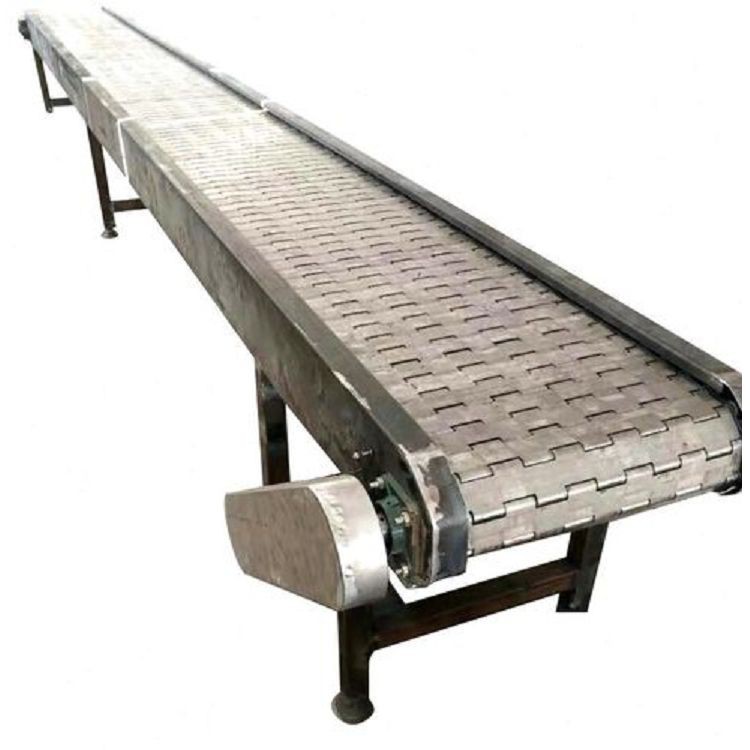

After wiping the belt with the soapy cloth, rinse the cloth thoroughly in clean water and wring it out. Then, use the clean, damp cloth to wipe the belt again to remove any remaining detergent. Finally, use a dry microfiber cloth to dry the belt completely. A wet belt can cause slippage and other operational problems, so it is essential to ensure it is fully dry before using the Belt Sorting Table again.
Step 4: Clean the Sorting Mechanisms
The sorting mechanisms of the Belt Sorting Table are responsible for separating different products or items. These mechanisms can accumulate dirt, dust, and product residues over time, which can affect their accuracy and efficiency.
Use the soft - bristle brush to clean the sorting mechanisms. Gently brush the moving parts, sensors, and any other components to remove debris. If there are hard - to - reach areas, you can use a small, pointed brush or a toothpick to carefully remove the dirt.
After brushing, dampen a microfiber cloth with the soapy water and wipe the sorting mechanisms. Be cautious when cleaning around the sensors, as they are sensitive and can be easily damaged. Make sure to dry the sorting mechanisms thoroughly with a dry cloth to prevent rust and corrosion.
Step 5: Clean the Frame and Other Components
The frame and other components of the Belt Sorting Table also need to be cleaned. Use the damp microfiber cloth to wipe the frame, legs, and any other metal or plastic parts of the table. Pay attention to areas where fingerprints, grease, or dirt may have accumulated.
If there are any stubborn stains on the frame, you can use a mild abrasive cleaner specifically designed for the material of the frame. However, always test the cleaner on a small, inconspicuous area first to ensure it does not damage the surface. After cleaning, dry the frame and components with a dry cloth.
Step 6: Inspection and Lubrication
Once the Belt Sorting Table is clean and dry, it is a good time to conduct a thorough inspection. Check the belt for any signs of wear, such as cracks, fraying, or unevenness. Inspect the sorting mechanisms to ensure they are functioning properly and that all the moving parts are moving smoothly.
If necessary, lubricate the moving parts according to the manufacturer's recommendations. Using the right lubricant can reduce friction, prevent wear and tear, and ensure the smooth operation of the Belt Sorting Table.
Step 7: Reassemble and Test
After cleaning, inspection, and lubrication, reassemble any parts that were removed during the cleaning process. Make sure all the components are properly installed and tightened.
Plug the Belt Sorting Table back into the power source and turn it on. Run a short test to ensure that the table is operating normally. Check the belt for proper tension and movement, and verify that the sorting mechanisms are working accurately.
Importance of Regular Cleaning
Regular cleaning of the Belt Sorting Table offers several benefits. Firstly, it improves the quality of the sorting process. A clean table ensures that products are sorted accurately and efficiently, reducing the risk of mis - sorting and product damage. Secondly, it enhances the safety of the workplace. A dirty table can attract pests and harbor bacteria, which can pose health risks to workers. By keeping the table clean, you create a safer and more hygienic working environment.
Moreover, regular cleaning can significantly extend the lifespan of the Belt Sorting Table. By preventing the accumulation of dirt and debris, you reduce the wear and tear on the components, which means fewer breakdowns and lower maintenance costs in the long run.
Related Products
If you are interested in other types of sorting tables or related equipment, we also offer the Chain Plate Sorting Table. It is suitable for different sorting requirements and can be a great addition to your production line. Additionally, our Packing Machine can work in conjunction with the Belt Sorting Table to streamline your packaging process. For more information about our Belt Sorting Table, please feel free to contact us for procurement and negotiation.
References
- "Industrial Equipment Maintenance Handbook"
- Manufacturer's manual for Belt Sorting Tables