

How to deal with abnormal noise in a screw air compressor?
Jul 28, 2025
As a seasoned supplier of Screw Air Compressors, I've encountered numerous challenges and queries from customers over the years. One of the most common issues that often raises concerns is the presence of abnormal noise in these machines. In this blog post, I'll delve into the various causes of abnormal noise in screw air compressors and share effective strategies to address them.
Understanding the Basics of Screw Air Compressors
Before we jump into the causes and solutions of abnormal noise, let's briefly understand how a Screw Air Compressor works. Screw air compressors are positive displacement compressors that use two meshing helical screws, known as rotors, to compress air. As the rotors turn, air is trapped between them and the compressor housing, and the volume of the air pocket decreases, leading to an increase in pressure.
These compressors are widely used in various industries due to their high efficiency, reliability, and continuous operation capabilities. However, like any mechanical equipment, they can develop problems over time, and abnormal noise is one of the tell - tale signs that something might be wrong.
Common Causes of Abnormal Noise in Screw Air Compressors
1. Mechanical Wear and Tear
Over time, the moving parts in a screw air compressor, such as the rotors, bearings, and gears, can experience wear and tear. As the components wear, the clearances between them increase, which can lead to vibrations and abnormal noise. For example, worn bearings can cause a growling or grinding noise. The rotors, if they are damaged or worn, may produce a scraping or rattling sound as they mesh together.
2. Loose Components
Vibrations during the operation of the compressor can cause some components to become loose. Loose bolts, nuts, or other fasteners can rattle against the compressor housing or other parts, creating an annoying noise. Additionally, loose belts, if the compressor has a belt - driven system, can also produce a slapping or squealing sound.
3. Air Inlet and Outlet Issues
Problems with the air inlet or outlet can also result in abnormal noise. A clogged air filter can cause a whistling or sucking noise as the compressor struggles to draw in air. On the other hand, a blocked or restricted air outlet can lead to back - pressure issues, which may cause the compressor to make a hissing or popping sound.
4. Lubrication Problems
Proper lubrication is crucial for the smooth operation of a screw air compressor. Insufficient lubrication can cause increased friction between the moving parts, resulting in a high - pitched screeching noise. Contaminated lubricant can also lead to problems, as it may not provide adequate protection to the components, causing them to wear out faster and generate noise.
5. Electrical Problems
If the compressor has an electric motor, electrical issues can be a source of abnormal noise. A malfunctioning motor can produce a humming, buzzing, or clicking sound. This could be due to problems such as a faulty capacitor, loose electrical connections, or a damaged motor winding.
Strategies to Deal with Abnormal Noise
1. Regular Maintenance
The best way to prevent and address abnormal noise is through regular maintenance. This includes scheduled inspections, lubricant changes, and component replacements. Inspect the compressor for any signs of wear and tear, loose parts, or clogged filters during each maintenance check. Replace worn bearings, belts, and other components as recommended by the manufacturer.
2. Tightening Loose Components
If you notice a rattling noise, check for loose bolts, nuts, and other fasteners. Use the appropriate tools to tighten them securely. For loose belts, adjust the tension according to the manufacturer's specifications. This simple step can often eliminate the noise caused by loose components.
3. Cleaning or Replacing Air Filters
If the abnormal noise is due to a clogged air filter, clean or replace it immediately. A clean air filter ensures proper air intake, reducing the strain on the compressor and preventing the whistling or sucking noise. Make sure to use high - quality filters that are compatible with your compressor.
4. Checking and Changing Lubricant
Regularly check the lubricant level and quality in the compressor. If the lubricant is low, add the recommended type of lubricant. If it is contaminated, drain the old lubricant and replace it with fresh, clean lubricant. This will reduce friction between the moving parts and prevent the screeching noise associated with poor lubrication.
5. Addressing Electrical Issues
If you suspect an electrical problem, it's best to consult a qualified electrician. They can diagnose the issue, such as a faulty capacitor or loose connection, and make the necessary repairs. Do not attempt to work on the electrical components of the compressor yourself unless you have the proper training and experience.
Importance of Professional Help
In some cases, the cause of the abnormal noise may be complex and difficult to diagnose. If you've tried the above strategies and the noise persists, it's advisable to seek professional help. A trained technician from a reputable service provider can use specialized tools and techniques to accurately identify the problem and provide an effective solution.
As a Screw Air Compressor supplier, we offer comprehensive maintenance and repair services. Our team of experts has extensive experience in dealing with various compressor issues, including abnormal noise. We can also provide you with high - quality replacement parts and lubricants to ensure the long - term performance of your compressor.
When to Consider Replacement
If the compressor is old and has been experiencing multiple problems, including persistent abnormal noise, despite regular maintenance and repairs, it may be time to consider replacing it. A new compressor will not only eliminate the noise issue but also offer improved efficiency and reliability. When choosing a new compressor, consider factors such as your specific application requirements, the required air pressure and volume, and the energy efficiency of the machine.
Conclusion
Abnormal noise in a screw air compressor can be a sign of various underlying problems. By understanding the common causes and implementing the appropriate strategies, you can effectively deal with this issue. Regular maintenance is key to preventing noise problems and ensuring the smooth operation of your compressor.

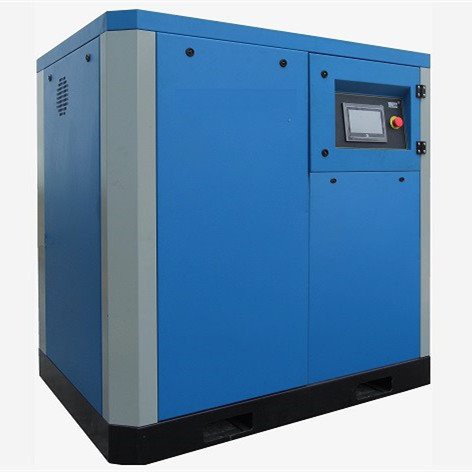
If you're facing issues with abnormal noise in your screw air compressor or are in the market for a new one, we're here to help. Our team of experts can provide you with the best solutions tailored to your needs. Contact us to start a conversation about your air compressor requirements and let's work together to find the perfect solution for your business.
References
- Compressor Handbook, Manufacturer's Manuals
- Industry Standards and Best Practices for Air Compressor Maintenance