

How to ensure the alignment of items on a Belt Sorting Table?
Sep 22, 2025
As a supplier of Belt Sorting Tables, I've seen firsthand how crucial it is to ensure the alignment of items on these tables. Misaligned items can lead to all sorts of problems, like jams, inaccurate sorting, and even damage to the products or the table itself. In this blog post, I'll share some tips and tricks on how to keep those items in line and make your Belt Sorting Table work like a charm.
Understanding the Basics of Belt Sorting Tables
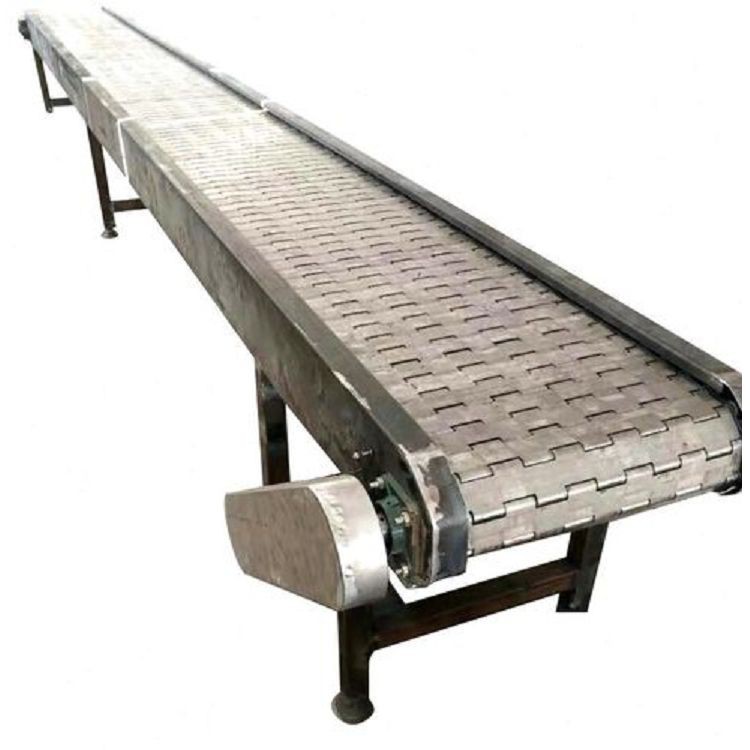
Before we dive into the alignment techniques, let's quickly go over what a Belt Sorting Table is and how it works. A Belt Sorting Table is a conveyor system that uses a belt to move items along a path. The table is equipped with sensors and diverters that can detect the position and characteristics of each item and direct it to the appropriate destination. This makes it a popular choice for sorting products in industries like e-commerce, food and beverage, and logistics.
Factors Affecting Item Alignment
There are several factors that can affect the alignment of items on a Belt Sorting Table. Understanding these factors is the first step in ensuring proper alignment.
Belt Tension
One of the most important factors is belt tension. If the belt is too loose, it can sag and cause items to shift or misalign. On the other hand, if the belt is too tight, it can put extra stress on the motor and other components, leading to premature wear and tear. To maintain proper belt tension, you should regularly check the tension and adjust it as needed. Most Belt Sorting Tables come with a tension adjustment mechanism that makes this process relatively easy.
Belt Speed
The speed of the belt also plays a role in item alignment. If the belt is moving too fast, items may not have enough time to settle into the correct position. Conversely, if the belt is moving too slowly, it can lead to bottlenecks and inefficiencies. Finding the right belt speed depends on the size, weight, and shape of the items being sorted, as well as the overall throughput requirements of your operation. You may need to do some testing to determine the optimal speed for your specific application.

Item Characteristics
The characteristics of the items themselves can also affect alignment. For example, items with irregular shapes or uneven weights may be more difficult to align than regular-shaped, evenly weighted items. In these cases, you may need to use additional guides or fixtures to help keep the items in place. Additionally, items that are slippery or have a low coefficient of friction may require a different approach, such as using a textured belt or adding a grippy surface to the table.
Techniques for Ensuring Item Alignment
Now that we've covered the factors that can affect item alignment, let's look at some techniques for ensuring that your items stay in line on the Belt Sorting Table.
Use Guides and Rails
One of the simplest and most effective ways to ensure item alignment is to use guides and rails. Guides are typically made of metal or plastic and are installed along the sides of the belt to keep items from drifting off course. Rails can be used to create a specific path for the items to follow, which can be especially useful for sorting items of different sizes or shapes. You can adjust the width of the guides and rails to accommodate the specific dimensions of your items.
Implement Sensor-Based Systems
Another technique is to use sensor-based systems to detect the position of the items and make adjustments as needed. These systems can use a variety of sensors, such as infrared sensors, laser sensors, or cameras, to monitor the movement of the items. If an item is detected as being out of alignment, the system can send a signal to the diverters or other components to correct the position. Sensor-based systems can be highly accurate and can help improve the overall efficiency of your sorting operation.
Optimize Diverter Placement
The placement of the diverters on the Belt Sorting Table is also important for ensuring item alignment. Diverters are used to direct items to different destinations, and if they are not placed correctly, they can cause items to misalign. You should carefully consider the layout of your sorting system and place the diverters in a way that allows for smooth and efficient movement of the items. Additionally, you should make sure that the diverters are properly calibrated to ensure accurate sorting.
Conduct Regular Maintenance
Regular maintenance is essential for keeping your Belt Sorting Table in good working condition and ensuring proper item alignment. This includes cleaning the belt, checking the tension and alignment of the belt, lubricating the moving parts, and inspecting the sensors and other components for any signs of damage or wear. By performing regular maintenance, you can prevent problems before they occur and extend the lifespan of your Belt Sorting Table.
Integration with Other Equipment
In many cases, a Belt Sorting Table is just one part of a larger sorting and packaging system. To ensure seamless operation, it's important to consider how the Belt Sorting Table integrates with other equipment, such as Packing Machines and Chain Plate Sorting Tables.
Compatibility with Packing Machines
When integrating a Belt Sorting Table with a Packing Machine, you need to make sure that the two systems are compatible in terms of speed, size, and functionality. For example, the Belt Sorting Table should be able to deliver the items to the Packing Machine at the right time and in the correct orientation. You may need to adjust the settings of both the Belt Sorting Table and the Packing Machine to ensure smooth operation.
Coordination with Chain Plate Sorting Tables
If you are using a Chain Plate Sorting Table in conjunction with a Belt Sorting Table, you need to ensure that the two tables work together effectively. This may involve synchronizing the speed and movement of the belts and chain plates, as well as coordinating the sorting algorithms. By working closely with your equipment suppliers, you can ensure that the integration is seamless and that your overall sorting system operates efficiently.
Conclusion
Ensuring the alignment of items on a Belt Sorting Table is crucial for the smooth and efficient operation of your sorting system. By understanding the factors that can affect alignment, implementing the right techniques, and performing regular maintenance, you can minimize the risk of misaligned items and improve the overall performance of your Belt Sorting Table.
If you're in the market for a Belt Sorting Table or need help optimizing your existing sorting system, I'd love to talk to you. We have a wide range of Belt Sorting Tables and related equipment to meet your specific needs. Whether you're a small business looking for a simple sorting solution or a large enterprise in need of a complex, high-speed system, we can provide the expertise and support you need. Contact us today to start a conversation about how we can help you improve your sorting operations.
References
- Industry standards and best practices for conveyor systems
- Manufacturer's manuals and technical specifications for Belt Sorting Tables
- Case studies and whitepapers on sorting system optimization