

How to optimize the operation of a screw air compressor?
Sep 18, 2025
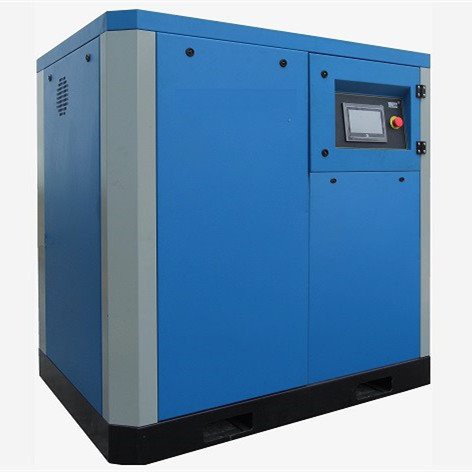
As a supplier of Screw Air Compressors, I've witnessed firsthand the pivotal role these machines play in various industries. Optimizing the operation of a screw air compressor isn't just about enhancing efficiency; it's about ensuring long - term reliability, reducing costs, and maximizing productivity. In this blog, I'll share some key strategies to achieve these goals.
Understanding the Basics of Screw Air Compressors
Before delving into optimization techniques, it's essential to understand how screw air compressors work. Unlike Piston Air Compressors, which use pistons to compress air, screw air compressors rely on two interlocking rotors. As the rotors turn, they trap air between them and gradually reduce the volume, thereby increasing the air pressure. This continuous process allows for a steady supply of compressed air.
Regular Maintenance
One of the most fundamental ways to optimize the operation of a screw air compressor is through regular maintenance. This includes:
Oil Changes
Screw air compressors use oil for lubrication, cooling, and sealing. Over time, the oil can break down due to heat, contaminants, and oxidation. Regular oil changes are crucial to maintain proper lubrication and prevent wear and tear on the rotors and other components. It's recommended to follow the manufacturer's guidelines regarding oil change intervals, which can vary depending on factors such as operating conditions and compressor usage.
Filter Replacements
Air filters, oil filters, and separator filters are vital for keeping the compressor clean and functioning properly. The air filter prevents dust and debris from entering the compressor, while the oil filter removes contaminants from the lubricating oil. The separator filter separates the oil from the compressed air. Clogged filters can restrict airflow, increase energy consumption, and lead to premature component failure. Replace these filters at regular intervals to ensure optimal performance.
Inspection of Components
Regularly inspect the compressor's components, such as belts, hoses, valves, and electrical connections. Look for signs of wear, damage, or leaks. Tighten loose connections and replace any worn - out parts promptly. This proactive approach can prevent major breakdowns and extend the lifespan of the compressor.
Proper Sizing and Installation
Selecting the right size of screw air compressor for your specific application is crucial. An oversized compressor will consume more energy than necessary, while an undersized compressor may not be able to meet the demand, leading to inefficiencies and potential equipment damage. Consider factors such as the required air pressure, flow rate, and duty cycle when choosing a compressor.
Proper installation is also essential. Ensure that the compressor is installed in a well - ventilated area with sufficient space around it for maintenance and cooling. The intake air should be clean and free from contaminants. Incorrect installation can lead to overheating, reduced efficiency, and increased noise levels.
Energy Management
Energy consumption is a significant cost factor in operating a screw air compressor. Implementing energy - management strategies can help reduce these costs.
Variable Speed Drive (VSD) Technology
Screw air compressors equipped with Variable Speed Drive technology can adjust the motor speed according to the actual air demand. This means that the compressor consumes less energy when the demand is low and ramps up when more air is needed. VSD compressors can achieve significant energy savings compared to fixed - speed compressors, especially in applications with fluctuating air demand.
Pressure Optimization
Maintaining the correct air pressure is essential for efficient operation. Operating the compressor at a higher pressure than necessary can waste energy. Regularly monitor the air pressure and adjust it to the minimum level required for your application. Use pressure regulators and control systems to ensure stable and accurate pressure control.
Leak Detection and Repair
Air leaks are a common cause of energy waste in compressed air systems. Even small leaks can add up to significant energy losses over time. Conduct regular leak detection surveys using ultrasonic leak detectors or soap - bubble tests. Repair any leaks promptly to reduce energy consumption and improve system efficiency.

Monitoring and Control
Implementing a monitoring and control system can provide real - time data on the compressor's performance. This data can be used to identify potential issues, optimize operation, and schedule maintenance proactively.
Remote Monitoring
Remote monitoring allows you to access the compressor's operating data from anywhere using a computer or mobile device. You can monitor parameters such as temperature, pressure, flow rate, and energy consumption. This enables you to detect anomalies early and take corrective action before they lead to major problems.
Automated Control Systems
Automated control systems can adjust the compressor's operation based on predefined parameters. For example, they can start and stop the compressor automatically, adjust the speed, and control the pressure. These systems can improve efficiency, reduce human error, and ensure consistent performance.
Training and Operator Awareness
Proper training of operators is crucial for optimizing the operation of a screw air compressor. Operators should be familiar with the compressor's controls, safety procedures, and maintenance requirements. They should also be aware of the importance of energy conservation and the impact of their actions on the compressor's performance.
Regular training sessions can keep operators up - to - date with the latest operating techniques and best practices. Encourage operators to report any issues or abnormalities promptly so that they can be addressed in a timely manner.
Conclusion
Optimizing the operation of a screw air compressor requires a comprehensive approach that includes regular maintenance, proper sizing and installation, energy management, monitoring and control, and operator training. By implementing these strategies, you can improve the efficiency, reliability, and lifespan of your compressor, while also reducing energy costs and minimizing downtime.
If you're in the market for a high - quality Screw Air Compressor or need assistance with optimizing your existing compressor system, we're here to help. Our team of experts can provide you with customized solutions tailored to your specific needs. Contact us to start a procurement discussion and take your compressed air system to the next level.
References
- Compressed Air and Gas Institute (CAGI). Standards and guidelines for air compressor operation and maintenance.
- Manufacturer's manuals for screw air compressors.
- Industry research papers on energy efficiency in compressed air systems.