

How to store an air compressor?
Oct 06, 2025
Hey there! As an air compressor supplier, I've seen all sorts of situations when it comes to storing these machines. Whether you've got a Piston Air Compressor or a Screw Air Compressor, proper storage is super important. It can keep your compressor in top - notch condition and save you a ton of headaches down the road.
Let's start with the basics. First off, you need to find a good location. A dry and clean place is a must - have. Moisture is like the enemy of air compressors. If your compressor gets exposed to too much moisture, it can lead to rust and corrosion. Rust can mess up the internal parts of the compressor, like the cylinders in a Piston Air Compressor. And once rust sets in, it can be a real pain to fix.
I'd recommend a storage area that's indoors, like a garage or a storage shed. These places usually offer better protection from the elements compared to leaving the compressor outside. If you absolutely have to store it outside, make sure it's covered with a high - quality waterproof cover. But even then, outdoor storage is still a bit of a risk, so it's best to avoid it if you can.
Another thing to consider is the temperature. Air compressors don't like extreme temperatures. If it's too hot, the oil in the compressor can break down faster, which can lead to increased wear and tear on the moving parts. On the other hand, if it's too cold, the oil can thicken, making it harder for the compressor to start up and operate smoothly. The ideal temperature range for storing an air compressor is between 40°F and 90°F (4°C and 32°C).
Before you store your air compressor, you need to do a bit of prep work. First, drain all the moisture from the tank. Most air compressors have a drain valve at the bottom of the tank. Just open it up and let all the water come out. This is really important because that water can cause rust inside the tank. You might want to do this a few times over a few days to make sure you get all the moisture out.
Next, change the oil. Old oil can contain dirt, debris, and moisture, which can all damage the compressor over time. A fresh oil change before storage will help keep the internal parts lubricated and protected. Check your compressor's manual to see what type of oil it needs and how to change it properly.
It's also a good idea to clean the outside of the compressor. Wipe it down with a clean, dry cloth to remove any dirt, dust, or oil stains. This not only makes the compressor look better but also helps prevent any contaminants from getting inside the machine.
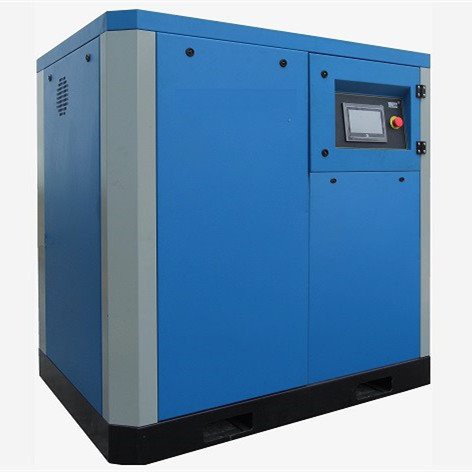

Now, let's talk about how to position the compressor for storage. You want to keep it on a level surface. If it's tilted, it can cause the oil to pool in one area, which might lead to improper lubrication when you start it up again. And make sure it's stable. You don't want it to tip over, especially if it's a large Screw Air Compressor.
If you're storing the compressor for an extended period, you might want to disconnect the power cord. This reduces the risk of electrical problems and also gives you peace of mind. And don't forget to label the compressor with your name and contact information. This is helpful in case someone else needs to move it or if there are any issues with the storage area.
For those of you who have multiple air compressors, it's a good idea to organize them in a way that makes it easy to access the one you need. You can arrange them by size, type, or how often you use them. This will save you time when you're looking for a specific compressor.
Let's say you've got a portable air compressor. These are great because they're easy to move around, but they also need proper storage. You can store them in a storage cabinet or on a shelf. Just make sure they're secure and won't fall off. And if you've got any accessories like hoses or nozzles, store them with the compressor. This way, you won't lose them and you'll have everything you need when you're ready to use the compressor again.
Now, what if you're storing an air compressor that's part of a larger system? In this case, you need to make sure all the connections are secure. Check the hoses, pipes, and fittings to make sure there are no leaks. You might also want to isolate the compressor from the rest of the system to prevent any potential damage.
If you're using a Piston Air Compressor, you need to pay special attention to the pistons. These are the heart of the compressor, and they need to be protected. You can use a light coat of oil on the pistons to prevent rust and corrosion during storage.
For Screw Air Compressors, the screws are the key components. Make sure they're clean and free of any debris. You might want to run the compressor for a few minutes before storage to circulate the oil and make sure everything is in good working order.
Once your air compressor is all prepped and ready for storage, it's a good idea to check on it regularly. Every few weeks, take a look at it to make sure there are no signs of damage, rust, or any other issues. If you notice anything wrong, address it right away.
I know this might seem like a lot of work, but trust me, proper storage of your air compressor can save you a lot of money in the long run. A well - stored compressor will last longer, perform better, and require fewer repairs.
If you're in the market for a new Air Compressor, or if you have any questions about storing your existing one, feel free to reach out. I'm here to help you make the best decisions for your air compressor needs. Whether you're a DIY enthusiast, a small business owner, or part of a large industrial operation, we've got the right air compressor for you. So don't hesitate to contact us for more information and to start a purchase negotiation.
References
- General knowledge from years of experience as an air compressor supplier.
- Manufacturer's manuals for various air compressor models.