

What are the different types of sealing methods used in packing machines?
Dec 09, 2025
In the dynamic world of packaging, the choice of sealing method can significantly impact the efficiency, quality, and overall performance of packing machines. As a leading Packing Machine supplier, we understand the diverse needs of our customers and the importance of selecting the right sealing technique for different applications. In this blog post, we will explore the various types of sealing methods used in packing machines, their advantages, and suitable applications.
Heat Sealing
Heat sealing is one of the most common and widely used sealing methods in the packaging industry. It involves applying heat to the packaging material to melt and bond the layers together, creating a secure and airtight seal. Heat sealing can be further classified into several subtypes, including:

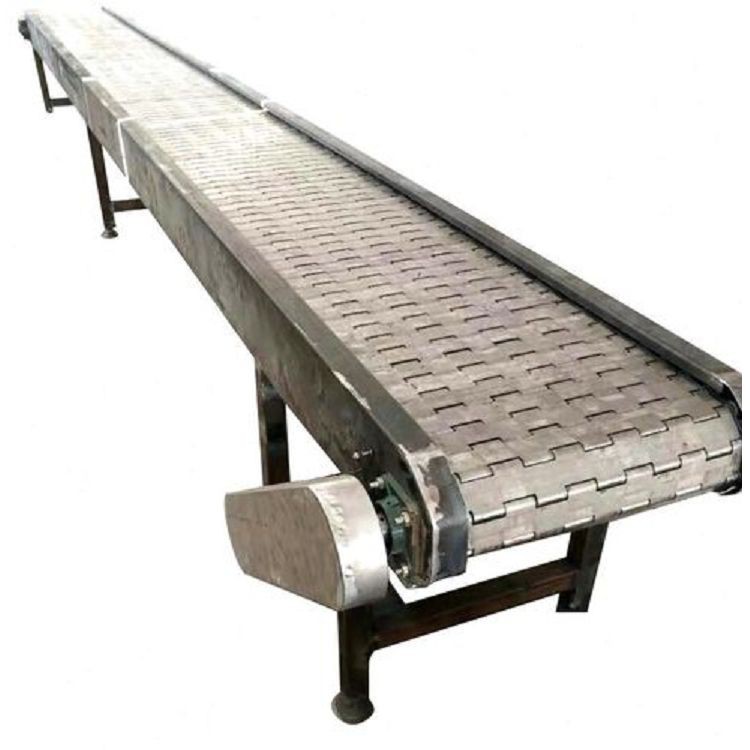
Impulse Sealing
Impulse sealing is a popular method for sealing thermoplastic films. It works by passing an electric current through a heating element for a short period, generating enough heat to melt the film and form a seal. This method is suitable for sealing thin films and is commonly used in applications such as food packaging, medical packaging, and industrial packaging.
Continuous Heat Sealing
Continuous heat sealing, as the name suggests, involves continuously applying heat to the packaging material as it moves through the sealing area. This method is typically used for high-speed packaging lines and can handle a wide range of packaging materials, including plastic films, laminates, and paperboard. Continuous heat sealing is commonly used in applications such as snack food packaging, beverage packaging, and pharmaceutical packaging.
Ultrasonic Sealing
Ultrasonic sealing is a non-contact sealing method that uses high-frequency ultrasonic vibrations to generate heat and bond the packaging material. This method is particularly suitable for sealing delicate or heat-sensitive materials, as it does not require direct contact with the heating element. Ultrasonic sealing is commonly used in applications such as medical device packaging, electronic component packaging, and cosmetic packaging.
The advantages of heat sealing include its ability to create a strong and reliable seal, its compatibility with a wide range of packaging materials, and its high sealing speed. However, heat sealing may not be suitable for all applications, especially those involving heat-sensitive materials or where a hermetic seal is not required.
Pressure Sealing
Pressure sealing is another common sealing method used in packing machines. It involves applying pressure to the packaging material to create a seal, without the need for heat. Pressure sealing can be further classified into several subtypes, including:
Compression Sealing
Compression sealing is a simple and effective method for sealing flexible packaging materials, such as plastic bags and pouches. It works by compressing the two sides of the packaging material together using a mechanical force, creating a seal. Compression sealing is commonly used in applications such as food packaging, pet food packaging, and consumer goods packaging.
Die Cutting and Sealing
Die cutting and sealing is a combined process that involves cutting the packaging material into the desired shape and then sealing it using pressure. This method is commonly used for packaging products such as blister packs, clamshells, and trays. Die cutting and sealing can be performed using a variety of techniques, including mechanical die cutting, laser die cutting, and ultrasonic die cutting.
Induction Sealing
Induction sealing is a non-contact sealing method that uses electromagnetic induction to generate heat and bond the packaging material. It works by placing a metal foil liner on the opening of the container and then passing the container under an induction coil. The induction coil generates an electromagnetic field, which heats the metal foil liner and melts the sealing layer, creating a hermetic seal. Induction sealing is commonly used in applications such as food and beverage packaging, pharmaceutical packaging, and chemical packaging.
The advantages of pressure sealing include its simplicity, its ability to create a seal without the need for heat, and its compatibility with a wide range of packaging materials. However, pressure sealing may not be suitable for all applications, especially those requiring a high level of seal integrity or where a hermetic seal is required.
Adhesive Sealing
Adhesive sealing is a versatile sealing method that involves applying an adhesive to the packaging material to create a seal. Adhesive sealing can be further classified into several subtypes, including:
Hot Melt Adhesive Sealing
Hot melt adhesive sealing is a popular method for sealing paperboard, corrugated cardboard, and other porous materials. It works by melting a solid adhesive at a high temperature and then applying it to the packaging material using a dispenser. The adhesive cools and solidifies quickly, creating a strong and durable seal. Hot melt adhesive sealing is commonly used in applications such as carton sealing, case sealing, and palletizing.
Solvent-Based Adhesive Sealing
Solvent-based adhesive sealing involves dissolving an adhesive in a solvent and then applying it to the packaging material. The solvent evaporates, leaving behind a thin layer of adhesive that bonds the packaging material together. Solvent-based adhesive sealing is commonly used in applications such as label bonding, film lamination, and flexible packaging.
Water-Based Adhesive Sealing
Water-based adhesive sealing is a more environmentally friendly alternative to solvent-based adhesive sealing. It involves dissolving an adhesive in water and then applying it to the packaging material. The water evaporates, leaving behind a thin layer of adhesive that bonds the packaging material together. Water-based adhesive sealing is commonly used in applications such as paperboard packaging, corrugated cardboard packaging, and food packaging.
The advantages of adhesive sealing include its versatility, its ability to bond a wide range of materials, and its ability to create a strong and durable seal. However, adhesive sealing may not be suitable for all applications, especially those requiring a high level of seal integrity or where a hermetic seal is required.
Other Sealing Methods
In addition to the above-mentioned sealing methods, there are several other sealing methods used in packing machines, including:
Vacuum Sealing
Vacuum sealing is a method for removing air from the packaging and creating a vacuum environment. It works by placing the product in a plastic bag or pouch and then removing the air using a vacuum pump. The bag or pouch is then sealed, creating a hermetic seal. Vacuum sealing is commonly used in applications such as food packaging, medical device packaging, and electronic component packaging.
Gas Flushing
Gas flushing is a method for replacing the air inside the packaging with a protective gas, such as nitrogen or carbon dioxide. It works by placing the product in a plastic bag or pouch and then flushing the bag or pouch with the protective gas. The bag or pouch is then sealed, creating a modified atmosphere inside the packaging. Gas flushing is commonly used in applications such as food packaging, pharmaceutical packaging, and electronic component packaging.
Sewing and Stitching
Sewing and stitching are traditional sealing methods that involve using a needle and thread to sew or stitch the packaging material together. These methods are commonly used for packaging products such as bags, sacks, and tents. Sewing and stitching can be performed using a variety of techniques, including hand sewing, machine sewing, and ultrasonic stitching.
Choosing the Right Sealing Method
When choosing a sealing method for your packing machine, it is important to consider several factors, including the type of packaging material, the product being packaged, the required level of seal integrity, and the production speed. Here are some general guidelines to help you choose the right sealing method:
- Type of Packaging Material: Different sealing methods are suitable for different types of packaging materials. For example, heat sealing is commonly used for sealing thermoplastic films, while pressure sealing is commonly used for sealing paperboard and corrugated cardboard.
- Product Being Packaged: The type of product being packaged can also influence the choice of sealing method. For example, food products may require a hermetic seal to prevent spoilage, while electronic components may require a static-free seal to prevent damage.
- Required Level of Seal Integrity: The required level of seal integrity depends on the application. For example, pharmaceutical products may require a high level of seal integrity to ensure product safety, while consumer goods may require a lower level of seal integrity.
- Production Speed: The production speed of the packing machine can also influence the choice of sealing method. For example, high-speed packaging lines may require a sealing method that can operate at a high speed, such as continuous heat sealing or ultrasonic sealing.
As a Packing Machine supplier, we offer a wide range of packing machines that are equipped with different sealing methods to meet the diverse needs of our customers. Our packing machines are designed to be reliable, efficient, and easy to operate, and they can be customized to meet the specific requirements of your application.
Conclusion
In conclusion, the choice of sealing method can significantly impact the efficiency, quality, and overall performance of packing machines. As a leading Packing Machine supplier, we understand the diverse needs of our customers and the importance of selecting the right sealing technique for different applications. In this blog post, we have explored the various types of sealing methods used in packing machines, their advantages, and suitable applications. We hope that this information will help you make an informed decision when choosing a sealing method for your packing machine.
If you are interested in learning more about our Packing Machines or our sealing methods, please visit our website at Packing Machine. You can also explore our Belt Sorting Table and Chain Plate Sorting Table for more packaging solutions. We are always ready to assist you in finding the best packing machine and sealing method for your specific needs. Contact us today to start a procurement negotiation and take your packaging process to the next level.
References
- Packaging Machinery Manufacturers Institute (PMMI). (2023). Packaging Machinery Technology Roadmap.
- Robertson, G. L. (2012). Food Packaging: Principles and Practice. CRC Press.
- Singh, R. P., & Heldman, D. R. (2014). Introduction to Food Engineering. Academic Press.