

What is the difference between single - lane and multi - lane packing machines?
Jul 16, 2025
Hey there! As a packing machine supplier, I often get asked about the differences between single - lane and multi - lane packing machines. So, let's dive right in and break it down for you.
First off, let's talk about single - lane packing machines. These machines are, as the name suggests, designed with a single lane for the products to move through the packing process. They're kind of like the solo artists in the world of packing.
One of the biggest advantages of single - lane packing machines is their simplicity. They're relatively easy to operate and maintain. If you're a small business just starting out or if you have a limited production volume, a single - lane machine might be the perfect fit. You don't need a large team of technicians to keep it running smoothly. It's also a great option if you're packing products that are large or irregularly shaped. Since there's only one lane, it can handle these unique items without much hassle.
For example, if you're packing handmade pottery or large wooden furniture parts, a single - lane packing machine can adjust to the size and shape of each item. The operator can easily monitor the packing process and make any necessary adjustments on the fly.
Another plus is the cost. Single - lane machines are generally more affordable than their multi - lane counterparts. You don't have to invest a huge amount of capital upfront, which is a big deal for small and medium - sized enterprises. They also consume less energy, which means lower operational costs in the long run.
However, single - lane packing machines do have their limitations. The main one is the speed. Since there's only one lane, the production rate is relatively slow compared to multi - lane machines. If you have a high - volume production requirement, a single - lane machine might not be able to keep up. For instance, if you're a large - scale food manufacturer packing thousands of snack bars every hour, a single - lane machine would be overwhelmed.
Now, let's move on to multi - lane packing machines. These are like the rock bands of the packing world, with multiple lanes working in tandem to get the job done quickly.
The most obvious advantage of multi - lane packing machines is their speed. They can pack a large number of products in a short amount of time. This makes them ideal for high - volume production environments. For example, in a beverage factory where thousands of bottles need to be packed every minute, a multi - lane packing machine can handle the workload with ease.
Multi - lane machines also offer better efficiency in terms of space utilization. You can pack more products in the same amount of floor space compared to using multiple single - lane machines. This is crucial for factories where space is at a premium.
In addition, multi - lane machines can be highly automated. With advanced sensors and control systems, they can adjust the packing process for each lane independently. This means that different products can be packed simultaneously on different lanes, increasing the overall flexibility of the production line.
But multi - lane packing machines aren't without their drawbacks. They're more complex to operate and maintain. You need a skilled team of technicians to keep them running smoothly. Any breakdown can cause significant disruptions to the production line, and repairs can be costly and time - consuming.
The initial investment for multi - lane machines is also much higher. You're not only paying for the machine itself but also for the advanced technology and features that come with it. And since they're more powerful, they consume more energy, which can add to the operational costs.
When it comes to choosing between single - lane and multi - lane packing machines, it really depends on your specific needs. If you're a small business with low - volume production and a tight budget, a single - lane Packing Machine might be the way to go. On the other hand, if you're a large - scale manufacturer with high - volume production requirements and the resources to invest in advanced technology, a multi - lane machine is probably a better fit.
It's also worth considering the type of products you're packing. If your products are large, irregular, or require special handling, a single - lane machine might be more suitable. But if you're packing small, uniform products like pills or candies, a multi - lane machine can offer better speed and efficiency.
In some cases, you might even consider using a combination of both. For example, you could use a single - lane machine for the initial packing of large or delicate items and then transfer them to a multi - lane machine for further processing or secondary packing.
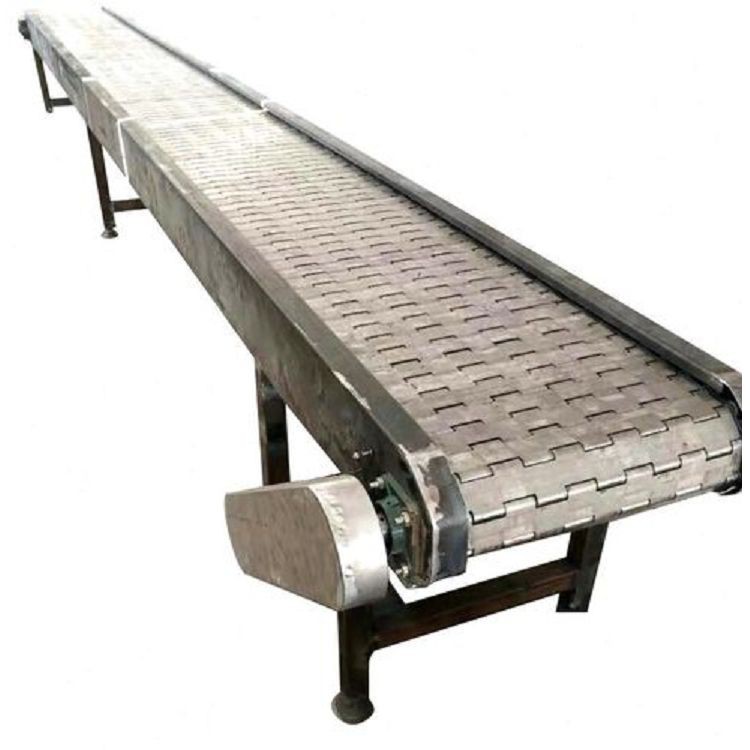

Now, let's talk a bit about the sorting tables that often work in conjunction with packing machines. Chain Plate Sorting Table and Belt Sorting Table are two common types.
A chain plate sorting table uses a chain - driven plate system to move products along the sorting line. It's great for heavy or large products because the chain plates can provide a stable and sturdy surface for transportation. It can also handle high - speed sorting and is relatively easy to clean and maintain.
On the other hand, a belt sorting table uses a conveyor belt to move products. It's more flexible in terms of the types of products it can handle. It can easily adjust to different product sizes and shapes, and it's quieter and smoother in operation compared to a chain plate sorting table.
In conclusion, whether you choose a single - lane or multi - lane packing machine, or a chain plate or belt sorting table, it's important to understand your production requirements and budget. As a packing machine supplier, I'm here to help you make the right choice. If you're interested in learning more about our packing machines or need some advice on which type is best for your business, don't hesitate to reach out. We can have a detailed discussion about your specific needs and come up with a customized solution. Let's work together to improve your production efficiency and take your business to the next level!
References:
- Industry reports on packing machine technology
- Case studies of companies using single - lane and multi - lane packing machines