

What is the footprint of a packing machine?
May 29, 2025
In the realm of modern industry, packing machines have emerged as indispensable tools, revolutionizing the way products are prepared for distribution. As a leading supplier of packing machines, I often encounter questions from potential clients about the concept of a packing machine's footprint. In this blog post, I will delve into what exactly the footprint of a packing machine is, why it matters, and how it impacts your business operations.
Defining the Footprint of a Packing Machine
The footprint of a packing machine refers to the physical space it occupies on the factory floor. It is essentially the area measured by the machine's length and width at its base. This measurement is crucial as it determines how the machine will fit into your existing production layout. A packing machine with a large footprint may require a significant amount of floor space, which could limit the placement options and potentially disrupt the flow of other operations in the facility.
When considering the footprint, it's not just about the static space the machine takes up. You also need to account for additional clearance around the machine for maintenance, operator access, and material handling. For example, if a packing machine needs to be serviced regularly, there should be enough space for technicians to move around it and perform necessary repairs without hindrance.
Why the Footprint Matters
Space Utilization
In any manufacturing or production facility, space is a valuable commodity. Efficient use of floor space can lead to increased productivity and reduced costs. A packing machine with a compact footprint allows you to maximize the available space, enabling you to install more machines or allocate the freed - up area for other essential processes. This is especially important for small and medium - sized enterprises (SMEs) that may have limited factory space.
Flexibility in Layout
A smaller footprint provides greater flexibility in designing your production layout. You can easily integrate the packing machine into different areas of the factory, adapting to changes in production volume or product mix. For instance, if you decide to reconfigure your production line to introduce a new product, a packing machine with a small footprint can be more easily relocated and incorporated into the new setup.
Cost - Effectiveness
Reducing the footprint of your packing machine can also translate into cost savings. A smaller machine typically requires less floor space, which means lower rental or construction costs for the factory. Additionally, it may consume less energy, resulting in reduced operational expenses over time.
Factors Affecting the Footprint of a Packing Machine
Machine Type and Functionality
Different types of packing machines have varying footprints. For example, a simple hand - operated packing machine may have a very small footprint, suitable for small - scale operations. On the other hand, an automated, high - speed packing machine with advanced features such as multi - lane filling, sealing, and labeling capabilities will likely have a larger footprint. These complex machines often require more space to accommodate their components and ensure smooth operation.
Production Capacity
The production capacity of a packing machine is directly related to its footprint. Machines designed for high - volume production usually have larger footprints because they need to house more powerful motors, larger hoppers for product storage, and additional conveyor systems to handle the increased throughput. If your business has a high demand for packaged products, you may need to invest in a larger packing machine, but you should also carefully consider how it will fit into your facility.
Integration with Other Equipment
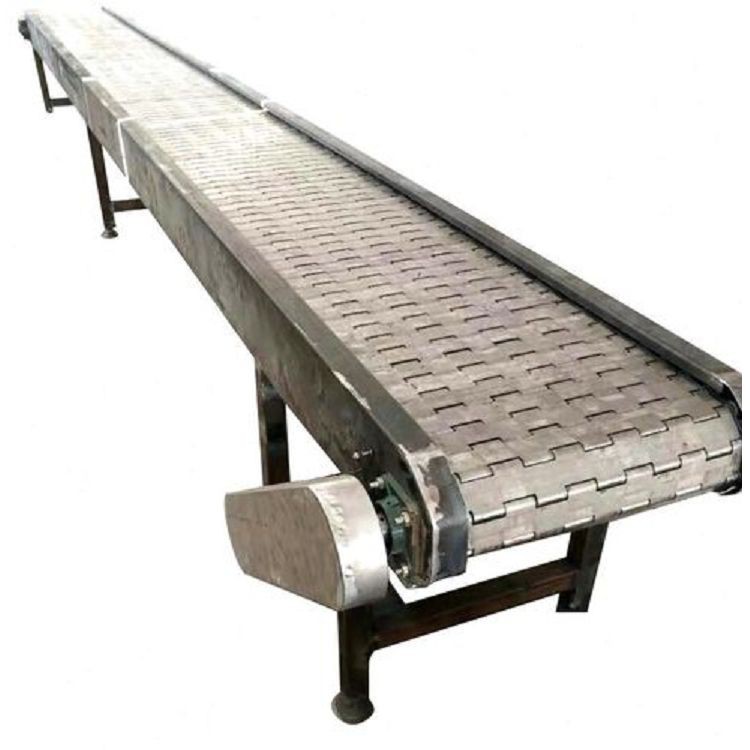
In many production lines, packing machines are integrated with other equipment such as Belt Sorting Table, Chain Plate Sorting Table, and conveyors. The need for seamless integration can influence the footprint of the packing machine. For example, if the packing machine needs to be connected to a sorting table, there must be enough space between them to ensure proper material transfer and to avoid any interference between the two machines.
Measuring and Evaluating the Footprint
When evaluating the footprint of a packing machine, it's important to obtain accurate measurements from the manufacturer. These measurements should include the overall dimensions of the machine as well as the recommended clearance around it. You can also request a 3D model or a layout diagram to visualize how the machine will fit into your factory space.
In addition to the physical footprint, you should also consider the "operational footprint." This refers to the space required for the machine to operate efficiently, including the movement of operators, the flow of materials, and the access for maintenance. A machine may have a relatively small physical footprint but a large operational footprint if it requires a lot of space for these activities.
Choosing the Right Packing Machine Based on Footprint
As a packing machine supplier, I understand that every client has unique requirements. When choosing a packing machine, you need to balance the need for production capacity, functionality, and footprint. Here are some tips to help you make the right decision:
Assess Your Space Constraints
Before selecting a packing machine, carefully measure your available floor space and consider any existing equipment or structures that may limit the placement of the new machine. This will give you a clear idea of the maximum footprint that the machine can have.
Consider Future Expansion
Think about your business growth plans. If you anticipate an increase in production volume in the future, you may want to choose a packing machine with some flexibility in terms of its footprint. For example, a modular packing machine can be easily expanded by adding additional components without significantly increasing the overall footprint.
Evaluate the Total Cost of Ownership
The footprint of a packing machine is just one factor in the total cost of ownership. You also need to consider the purchase price, operating costs, maintenance requirements, and productivity gains. A slightly larger machine with a higher upfront cost may be more cost - effective in the long run if it offers greater efficiency and reliability.
Conclusion
The footprint of a packing machine is a critical consideration when investing in this essential piece of equipment. It affects your factory layout, space utilization, and overall cost - effectiveness. By understanding what the footprint means, how it is determined, and how to evaluate it, you can make an informed decision that meets your business needs.

As a trusted Packing Machine supplier, we are committed to providing you with high - quality packing machines that offer the right balance of performance, functionality, and footprint. If you have any questions or need assistance in choosing the right packing machine for your business, please do not hesitate to contact us. We look forward to discussing your requirements and helping you find the perfect solution for your packing needs.
References
- Manufacturing Engineering Handbook. Publisher: ABC Publishing. Year: 20XX.
- Industrial Automation and Packaging Technology. Author: John Smith. Publisher: XYZ Press. Year: 20XY.