

What is the maximum weight that a Belt Sorting Table can handle per item?
Jul 25, 2025
Hey there! As a supplier of Belt Sorting Tables, I often get asked about the maximum weight that these nifty machines can handle per item. It's a crucial question, especially for businesses looking to streamline their sorting processes and boost efficiency. So, let's dive right in and explore this topic in detail.
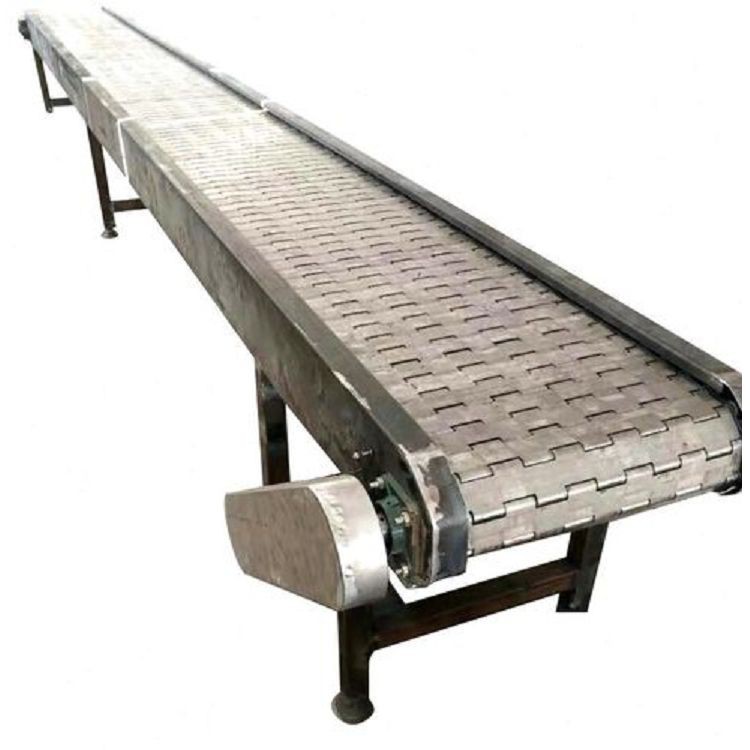
First off, what exactly is a Belt Sorting Table? Well, it's a piece of equipment that uses a conveyor belt system to move items along and sort them based on various criteria, such as size, shape, or weight. Belt Sorting Tables are widely used in industries like e-commerce, logistics, and manufacturing to handle a wide range of products, from small parcels to larger items. You can learn more about Belt Sorting Tables here.
Now, back to the main question: what's the maximum weight that a Belt Sorting Table can handle per item? The answer isn't as straightforward as you might think, as it depends on several factors.

Factors Affecting the Maximum Weight Capacity
Belt Material and Design
The type of belt used in the sorting table plays a significant role in determining its weight capacity. Different belt materials have different strength and durability characteristics. For example, a heavy-duty rubber belt can typically handle more weight than a lightweight fabric belt. Additionally, the design of the belt, such as its thickness and width, also affects its load-bearing capacity. A wider and thicker belt can distribute the weight more evenly, allowing it to handle heavier items.
Conveyor Structure and Frame
The structure and frame of the conveyor are also important factors. A robust and well-built frame can provide better support for the belt and the items being transported. If the frame is flimsy or not designed to handle heavy loads, it can lead to sagging or even breakage of the belt, reducing the overall weight capacity of the sorting table.
Drive System
The drive system of the Belt Sorting Table is responsible for moving the belt and the items on it. A powerful drive system can handle heavier loads more easily than a weaker one. The motor size, power output, and the type of drive mechanism (such as chain drive or direct drive) all contribute to the ability of the sorting table to handle weight.
Roller Support
Rollers are used to support the belt and reduce friction as it moves. The number, size, and spacing of the rollers can affect the weight capacity of the sorting table. More rollers or larger-diameter rollers can provide better support for the belt, allowing it to handle heavier items without excessive sagging.
Typical Weight Capacities
Based on the factors mentioned above, Belt Sorting Tables can have a wide range of weight capacities. In general, smaller, lightweight sorting tables used for handling small parcels and lightweight items may have a maximum weight capacity of around 10 - 20 kilograms per item. These tables are often used in small e-commerce warehouses or for sorting lightweight products in a manufacturing setting.
On the other hand, larger, industrial-grade Belt Sorting Tables can handle much heavier items. Some heavy-duty sorting tables can have a maximum weight capacity of up to 100 kilograms or more per item. These tables are commonly used in large logistics centers, where they need to handle bulky and heavy packages.
Customization for Higher Weight Capacities
If your business requires a Belt Sorting Table with a higher weight capacity than the standard models, don't worry! Many suppliers, including us, offer customization options. We can work with you to design and build a sorting table that meets your specific weight requirements. This may involve using stronger belt materials, a more robust frame, a more powerful drive system, or additional roller support.
Comparing with Other Sorting Tables
It's also worth comparing Belt Sorting Tables with other types of sorting tables, such as Chain Plate Sorting Tables. Chain Plate Sorting Tables are known for their high load-bearing capacity and are often used for handling very heavy items. However, they may be more expensive and require more maintenance compared to Belt Sorting Tables. Belt Sorting Tables, on the other hand, are generally more flexible, quieter, and easier to clean, making them a popular choice for many applications.
Considerations for Packing
When using a Belt Sorting Table, it's important to consider how the items will be packed. Proper packing can help distribute the weight evenly and prevent damage to the items and the sorting table. For example, using sturdy boxes or pallets to pack the items can provide better support and stability. If you're also looking for a Packing Machine to go along with your Belt Sorting Table, we can offer some great options.
How to Determine the Right Weight Capacity for Your Business
To determine the right weight capacity for your Belt Sorting Table, you need to consider the nature of the items you'll be sorting. Think about the average weight, size, and shape of the products. If you have a wide range of item weights, you may need to choose a sorting table with a higher weight capacity to accommodate the heaviest items. It's also a good idea to leave some margin for error to account for any unexpected heavy items that may come through the sorting process.
Contact Us for Your Belt Sorting Table Needs
If you're in the market for a Belt Sorting Table and need help determining the right weight capacity for your business, or if you have any other questions about our products, don't hesitate to get in touch with us. We're here to provide you with the best solutions and support to meet your sorting needs. Whether you need a standard model or a customized Belt Sorting Table, we can help you find the perfect fit for your operation.
References
- Industry standards and guidelines for conveyor belt systems
- Manufacturer specifications and technical data for Belt Sorting Tables