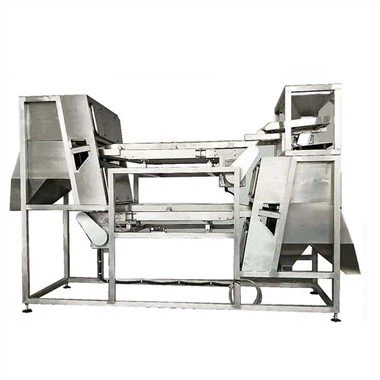
The main component of the belt conveyor
Jan 11, 2024
A belt conveyor is a mechanical handling device that transports materials from one location to another. It is an essential element in various industries, including mining, agriculture, and manufacturing. Belt conveyors are used to transport a wide range of materials, such as coal, grain, ore, and fertilizer. They are also commonly used in airports, warehouses, and other logistical facilities. In this article, we will discuss the main components of a belt conveyor.
1. Belt: The conveyor belt is the primary component of a belt conveyor. It is an endless loop made of various materials, such as rubber, polyester, or nylon. The belt is designed to carry and transport materials from one point to another. Belt conveyors are classified based on the type of belt they use, such as flat belts, ribbed belts, or conveyor belts.
2. Drive: The belt conveyor drive is the mechanism that moves the belt forward. There are several types of drives, such as electric motors, hydraulic drives, and pneumatic drives. The drive must be strong enough to move the load and must have a speed control system to adjust the speed of the belt.
3. Support system: The support system of a belt conveyor holds the belt in place and protects it from damage. The support system includes rollers, idlers, and other components. The rollers and idlers must be durable, rust-proof, and have a low coefficient of friction to reduce wear and tear on the belt.
4. Loading system: The loading system of a belt conveyor is responsible for loading and unloading materials on the belt. It includes hoppers, chutes, and other components. The loading system must be designed to prevent spillage and ensure a smooth flow of materials onto the belt.
5. Take-up system: The take-up system of a belt conveyor is responsible for adjusting the tension of the belt. It includes tensioning devices, such as pulleys and ratchets. The take-up system must be designed to maintain a constant tension on the belt and prevent slippage.
6. Control system: The control system of a belt conveyor is responsible for monitoring and controlling the speed, direction, and other parameters of the belt. It includes sensors, controllers, and other components. The control system must be designed to provide real-time feedback and ensure safe and efficient operation of the belt conveyor.
In conclusion, a belt conveyor is a complex and essential mechanical device that comprises various components. The belt, drive, support system, loading system, take-up system, and control system are the main components of a belt conveyor. Each component must be designed and maintained to ensure safe and efficient transportation of materials. A well-designed and functional belt conveyor can increase productivity, reduce costs, and improve the overall efficiency of industrial operations.