

What are the signs of a failing screw air compressor?
Sep 08, 2025
As a seasoned supplier of Screw Air Compressors, I've witnessed firsthand the pivotal role these machines play in various industrial and commercial settings. A screw air compressor is the heartbeat of many operations, powering everything from manufacturing processes to pneumatic tools. However, like any complex machinery, screw air compressors are prone to wear and tear over time. Recognizing the signs of a failing screw air compressor is crucial for preventing costly downtime and ensuring the smooth operation of your business. In this blog, I'll share some key indicators that your screw air compressor might be on the verge of failure.
1. Unusual Noises
One of the most obvious signs of a problem with your screw air compressor is the presence of unusual noises. A well - functioning compressor typically operates with a consistent, low - level hum. However, if you start to hear knocking, rattling, or screeching sounds, it's a clear red flag. Knocking noises can indicate loose or worn - out components, such as bearings or pistons. Rattling might suggest that there are loose parts inside the compressor housing, which could be due to vibrations or improper installation. Screeching sounds are often a sign of a belt or pulley issue, such as a loose or worn - out belt. These noises not only indicate a potential mechanical problem but can also be a safety hazard if left unaddressed.
2. Decreased Air Pressure
Another tell - tale sign of a failing screw air compressor is a decrease in air pressure. If you notice that your pneumatic tools are not performing as efficiently as they used to, or if the air pressure gauge on your compressor shows a lower than normal reading, it's time to investigate. There could be several reasons for this decrease in pressure. A leak in the air system is a common culprit. Leaks can occur in the hoses, fittings, or even the compressor itself. Over time, small leaks can grow larger, causing a significant drop in air pressure. Additionally, a clogged air filter can restrict the airflow into the compressor, leading to reduced pressure. If the compressor's internal components, such as the rotors or valves, are worn out, they may not be able to compress the air effectively, resulting in lower pressure.
3. Excessive Heat
Screw air compressors generate heat during normal operation, but excessive heat is a sign of trouble. If the compressor feels unusually hot to the touch or if the temperature gauge shows a reading higher than the normal operating range, it could indicate a cooling system problem. The cooling system of a screw air compressor is responsible for dissipating the heat generated during compression. A malfunctioning cooling fan, a blocked radiator, or a low coolant level can all cause the compressor to overheat. Overheating not only reduces the efficiency of the compressor but can also cause damage to the internal components, leading to premature failure.
4. High Energy Consumption
A sudden increase in energy consumption is often overlooked but can be a significant sign of a failing screw air compressor. If you notice that your electricity bills have gone up without any other obvious changes in your energy usage, it could be because the compressor is working harder than it should. As the internal components of the compressor wear out, they become less efficient, requiring more energy to produce the same amount of compressed air. Additionally, a leak in the air system can cause the compressor to run more frequently, increasing energy consumption. Monitoring your energy usage regularly can help you detect this issue early and take corrective action.
5. Oil Leaks
Oil plays a crucial role in the operation of a screw air compressor. It lubricates the moving parts, reduces friction, and helps with sealing. If you notice oil leaks around the compressor, it's a sign that there is a problem with the oil system. Leaks can occur due to damaged gaskets, seals, or pipes. A small oil leak may seem insignificant at first, but it can lead to a loss of lubrication, which can cause excessive wear and tear on the compressor's components. Additionally, oil leaks can contaminate the compressed air, which is a major issue in applications where clean air is required, such as in the food and beverage industry.
6. Frequent Start - Stop Cycles
A screw air compressor should operate in a relatively stable manner, with infrequent start - stop cycles. However, if you notice that the compressor is starting and stopping more frequently than normal, it could indicate a problem. This could be due to a malfunctioning pressure switch, which is responsible for controlling when the compressor starts and stops. A faulty pressure switch may cause the compressor to start and stop at incorrect pressure levels, leading to unnecessary wear on the motor and other components. Additionally, a leak in the air system can cause the pressure to drop quickly, triggering the compressor to start up more often.
7. Poor Air Quality
In applications where clean, dry air is essential, such as in painting or electronics manufacturing, poor air quality can be a sign of a failing screw air compressor. If the compressed air contains excessive moisture, oil, or contaminants, it can cause problems with the end - use equipment. Moisture in the compressed air can lead to corrosion in the pipes and equipment, while oil and contaminants can damage sensitive components. A failing air dryer, a clogged filter, or a problem with the oil separation system can all contribute to poor air quality.
Importance of Early Detection
Detecting these signs of a failing screw air compressor early is crucial for minimizing downtime and repair costs. Regular maintenance and inspections can help you identify these issues before they become major problems. By addressing these issues promptly, you can extend the lifespan of your compressor and ensure that it continues to operate efficiently.
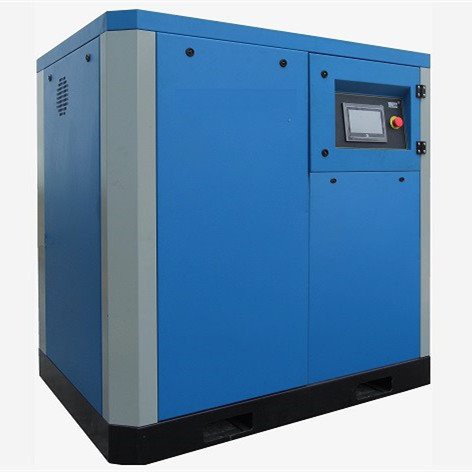

If you're experiencing any of these signs with your screw air compressor, or if you're in the market for a new Air Compressor or Frequency Conversion Air Compressor, Frequency Conversion Air Compressor, don't hesitate to reach out. As a trusted supplier, I can provide you with the expertise and solutions you need to keep your operations running smoothly. Whether it's a simple repair, a replacement part, or a brand - new compressor, I'm here to assist you. Contact me today to discuss your specific requirements and let's work together to find the best solution for your business.
References
- Compressed Air and Gas Institute (CAGI). "Screw Compressor Handbook."
- Pneumatic Systems Technology Association. "Best Practices for Screw Air Compressor Maintenance."