

What is the maintenance cost of a screw air compressor?
Nov 19, 2025
Hey there! As a supplier of Screw Air Compressors, I often get asked about the maintenance cost of these machines. So, I thought I'd write this blog to break it down for you.

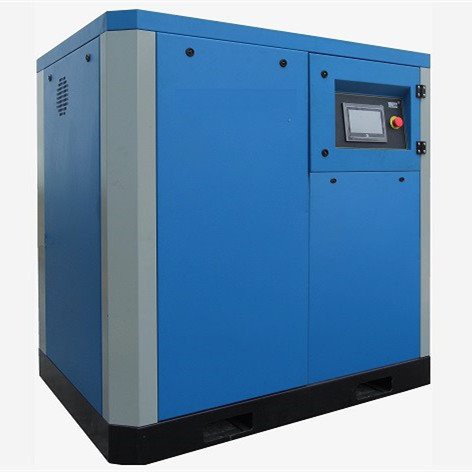
First off, let's understand what a Screw Air Compressor is. A Screw Air Compressor is a type of air compressor that uses two meshing helical screws, also known as rotors, to compress the air. They're widely used in various industries because they're efficient, reliable, and can deliver a continuous supply of compressed air.
Now, let's talk about the maintenance cost. There are several factors that contribute to the overall maintenance cost of a screw air compressor.
1. Regular Maintenance Checks
Just like your car needs regular oil changes and tune - ups, a screw air compressor needs routine maintenance. This includes checking the oil level, filters, and belts regularly. The frequency of these checks depends on how often the compressor is used. For a compressor that runs continuously, you might need to do daily visual checks and more in - depth inspections weekly or monthly.
The cost of these checks mainly comes from the labor. If you have an in - house maintenance team, it's part of their regular work. But if you outsource the maintenance, you'll have to pay the service provider. On average, a basic maintenance check can cost anywhere from $100 to $300 per visit, depending on the complexity of the compressor and the location.
2. Oil and Lubricants
Screw air compressors use oil for lubrication, cooling, and sealing. Over time, the oil breaks down and loses its effectiveness. So, it needs to be changed regularly. The cost of the oil itself depends on the type and quality. Synthetic oils are more expensive but last longer and offer better performance.
For a small - to - medium - sized screw air compressor, an oil change can cost around $200 - $500, including the cost of the oil and the labor. Larger compressors will naturally require more oil, and the cost can go up to $1000 or more.
3. Filter Replacements
Filters are crucial in a screw air compressor. They remove dirt, dust, and other contaminants from the air and oil. If the filters are clogged, it can reduce the efficiency of the compressor and even cause damage.
There are usually two main types of filters: air filters and oil filters. Air filters are relatively inexpensive, and you can replace them for around $50 - $150. Oil filters are a bit more expensive, costing around $100 - $300 to replace. The frequency of filter replacements depends on the operating environment. If the compressor is in a dusty area, the filters will need to be replaced more often.
4. Belt Replacements
Many screw air compressors use belts to transfer power from the motor to the compressor. Over time, these belts wear out and need to be replaced. The cost of a belt replacement is relatively low, usually around $50 - $200, including the cost of the belt and the labor. However, if the belts aren't replaced in time, they can break, which can cause the compressor to stop working and may even damage other components.
5. Major Repairs
Sometimes, despite regular maintenance, a screw air compressor may need major repairs. This could be due to a malfunctioning valve, a worn - out rotor, or other internal problems. Major repairs can be quite costly.
The cost of major repairs depends on the extent of the damage. For a simple valve replacement, it might cost around $500 - $1000. But if the rotors need to be replaced or repaired, the cost can easily go up to $5000 or more. And let's not forget the downtime. When the compressor is down for repairs, it can disrupt your production and lead to additional losses.
6. Energy Costs
While not strictly a maintenance cost, energy consumption is an important factor to consider when looking at the overall cost of running a screw air compressor. An inefficient compressor will consume more energy, which means higher electricity bills.
Newer models of Frequency Conversion Air Compressors are designed to be more energy - efficient. They can adjust the speed of the compressor according to the demand, which reduces energy waste. Upgrading to a frequency conversion air compressor can increase the initial investment but can save you a significant amount of money on energy costs in the long run.
Ways to Reduce Maintenance Costs
- Proper Installation: Make sure the compressor is installed correctly. Improper installation can lead to premature wear and tear and increase the maintenance cost.
- Regular Training: If you have an in - house maintenance team, provide them with regular training. Well - trained technicians can identify and fix problems early, reducing the need for major repairs.
- Use Quality Parts: When replacing parts, use high - quality parts. They may cost more upfront but will last longer and reduce the frequency of replacements.
In conclusion, the maintenance cost of a screw air compressor can vary widely depending on many factors. But by understanding these factors and taking proactive measures, you can keep the cost under control.
If you're in the market for a Screw Air Compressor or need more information about maintenance, feel free to reach out. We're here to help you make the best decision for your business. Whether you're looking for a new compressor or need advice on maintaining your existing one, we've got you covered. Let's start a conversation and see how we can work together to meet your compressed air needs.
References
- Compressed Air and Gas Institute (CAGI) - Guidelines on air compressor maintenance
- Manufacturer's manuals for screw air compressors